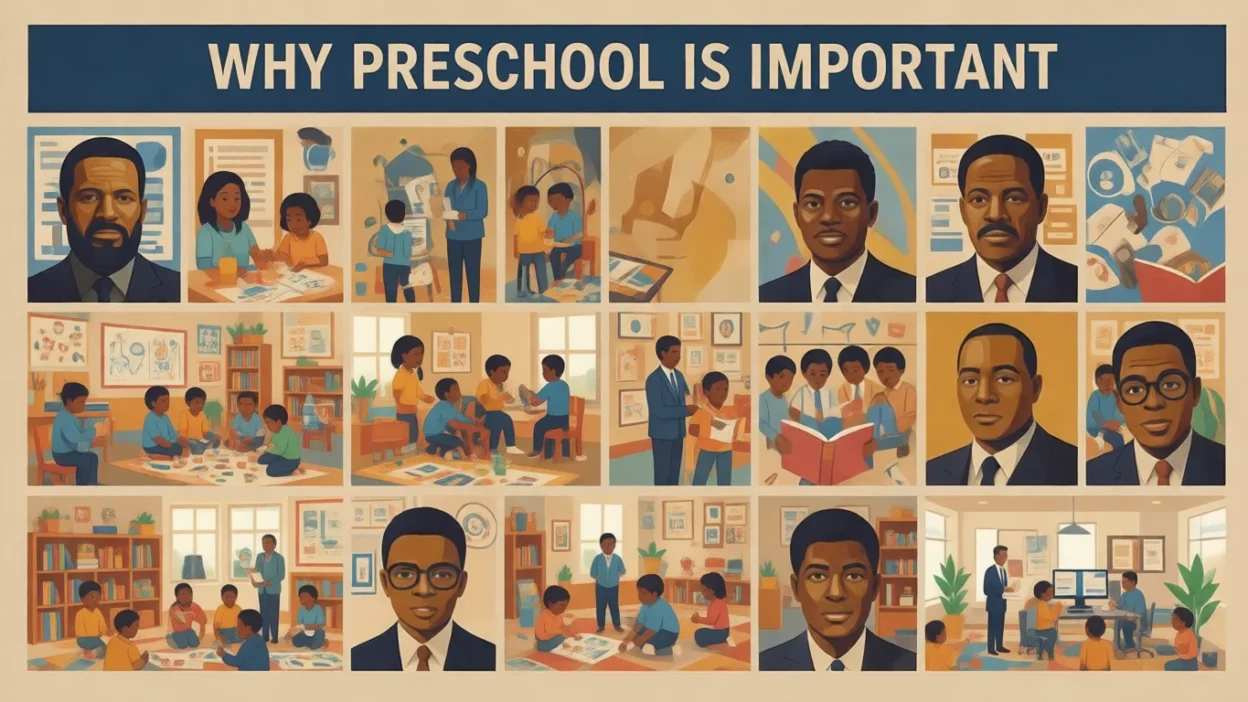
Preschool is often a child’s first step into the world of structured learning, social interaction, and independence. It lays the foundation for academic success, emotional development, and lifelong learning habits.
During these early years, children’s brains develop rapidly, making preschool a critical stage for shaping curiosity, confidence, and essential life skills.
More than just learning letters and numbers, preschool teaches children how to communicate, share, follow routines, and express emotions. It bridges the gap between home and formal schooling, preparing children mentally, socially, and emotionally for future challenges.
Below are 25 meaningful reasons why preschool is important and how it positively shapes a child’s future.
Builds Early Learning Foundations
Preschool introduces basic concepts like letters, numbers, colors, and shapes. These early skills make learning easier and smoother in later school years.
Develops Social Skills
Children learn how to interact with others, share, take turns, and work in groups. These social skills are essential for classroom success and friendships.
Encourages Emotional Development
Preschool helps children recognize and manage emotions. They learn patience, empathy, and how to express feelings in healthy ways.
Improves Communication Skills
Through conversations, storytelling, and play, children develop language and vocabulary. Strong communication skills support learning and confidence.
Prepares Children for Kindergarten
Preschool helps children adjust to routines, schedules, and classroom rules. This makes the transition to kindergarten less stressful and more successful.
Encourages Independence
Children learn to do simple tasks on their own, such as cleaning up, choosing activities, and following instructions. This builds self-reliance.
Boosts Confidence and Self-Esteem
Completing activities and interacting with peers helps children feel capable and confident in their abilities.
Supports Cognitive Development
Preschool activities stimulate thinking, memory, and problem-solving skills. This supports healthy brain development.
Promotes Curiosity and Love for Learning
Preschool encourages children to ask questions, explore ideas, and enjoy learning through fun and play-based activities.
Improves Attention and Focus
Structured activities teach children how to listen, follow directions, and stay focused for short periods.
Teaches Basic Discipline and Routine
Daily schedules help children understand time, responsibility, and expectations, creating a sense of security.
Encourages Creativity and Imagination
Art, music, and pretend play allow children to express creativity and develop imagination.
Develops Fine and Gross Motor Skills
Activities like drawing, cutting, running, and jumping help strengthen coordination and physical development.
Builds Early Math and Literacy Skills
Counting games, rhymes, and storytelling introduce early math and reading concepts naturally.
Helps Identify Learning Needs Early
Teachers can recognize developmental delays or learning challenges early, allowing timely support.
Supports Emotional Security
A safe preschool environment helps children feel secure outside the home, building trust and adaptability.
Encourages Teamwork and Cooperation
Group activities teach children how to cooperate, solve problems together, and respect others.
Prepares Children for Classroom Behavior
Children learn to raise hands, listen to teachers, and follow rules, easing future classroom adjustments.
Strengthens Parent-Teacher Connection
Preschool encourages communication between parents and educators, supporting a child’s growth together.
Supports Working Parents
Preschool provides a safe, educational environment while parents work, offering peace of mind.
Encourages Cultural Awareness
Children learn about diversity, respect, and inclusion through interaction with peers from different backgrounds.
Builds Strong Language Skills
Daily conversations and activities expand vocabulary and pronunciation, improving speech development.
Improves Problem-Solving Skills
Games and activities teach children how to think, experiment, and solve simple problems.
Promotes Healthy Habits
Preschool teaches hygiene, routines, and basic health practices that support well-being.
Lays the Foundation for Lifelong Success
Early education builds skills that influence academic achievement, confidence, and social success later in life.
Summary Table: Why Preschool Matters
| Category | Importance | Example |
|---|---|---|
| Learning | Builds academic basics | Letters and numbers |
| Social Skills | Encourages interaction | Group play |
| Emotional Growth | Builds confidence | Expressing feelings |
| Routine | Prepares for school | Following schedules |
| Development | Supports brain growth | Creative activities |
Idioms Related to Learning and Childhood
| Idiom | Meaning | Example |
|---|---|---|
| Start on the right foot | Begin well | Preschool helps children start on the right foot. |
| Building blocks | Foundation for growth | Early learning is the building blocks of education. |
| Learn by doing | Hands-on learning | Preschoolers learn by doing. |
| Bright future ahead | Promising success | Preschool sets up a bright future ahead. |
| Grow by leaps and bounds | Rapid improvement | Children grow by leaps and bounds in preschool. |
Real-Life Examples of Preschool Importance
• Children adjusting easily to kindergarten
• Improved communication and behavior in young learners
• Early identification of speech or learning delays
• Increased confidence in social settings
• Strong academic readiness in primary school
FAQs
Q1: Why is preschool important for children?
It supports early learning, social skills, and emotional development.
Q2: Does preschool help academic success?
Yes. Children who attend preschool often perform better in school.
Q3: Is preschool only about play?
No. Play is used as a learning tool to build important skills.
Q4: What age is best for preschool?
Most children attend preschool between ages 3 and 5.
Q5: Can preschool improve behavior?
Yes. It teaches discipline, routine, and positive social behavior.
Final Thought
Preschool plays a vital role in shaping a child’s early development and future success. It nurtures curiosity, builds confidence, and teaches essential social and academic skills in a supportive environment.
By preparing children emotionally, socially, and intellectually, preschool sets the stage for lifelong learning and achievement. Investing in preschool education is an investment in a child’s future — one that builds strong foundations for growth, happiness, and success.

Jozaf Jo is a content writer at Whygenix.com, crafting clear, engaging articles that simplify complex ideas, helping readers understand the why behind topics in education, lifestyle, and personal growth.