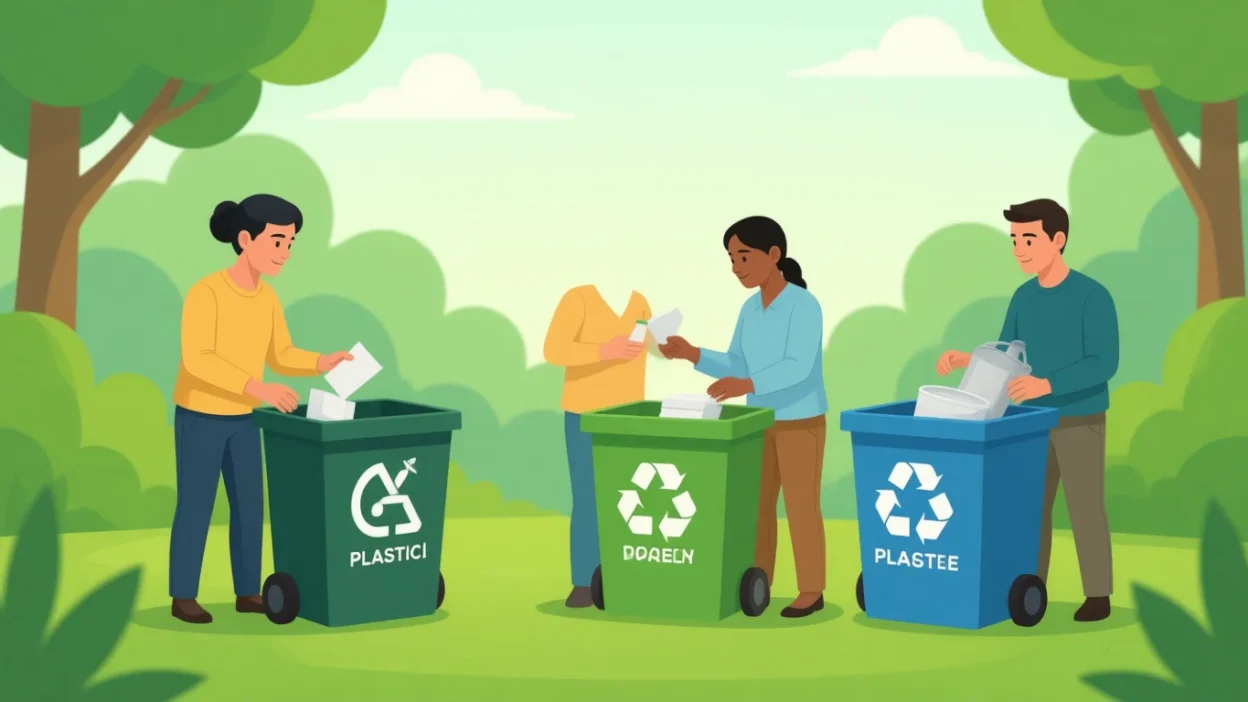
Recycling is one of the simplest yet most powerful actions we can take to protect our planet, conserve resources, and create a sustainable future. Whether at home, school, or work, recycling offers wide-ranging benefits for society and the environment. Here are 25 reasons why recycling is important.
1. Reduces Waste in Landfills
Recycling minimizes the amount of garbage that ends up in overflowing landfills.
2. Conserves Natural Resources
Recycling reduces the need to harvest new raw materials like timber, minerals, and fossil fuels.
3. Protects the Environment
Less extraction means less damage to ecosystems, forests, and wildlife.
4. Saves Energy
Manufacturing products from recycled materials uses significantly less energy.
5. Reduces Air Pollution
Lower energy consumption results in fewer emissions and cleaner air quality.
6. Reduces Water Pollution
Recycling reduces industrial waste, keeping oceans, rivers, and lakes cleaner.
7. Slows Climate Change
Recycling cuts carbon emissions, helping fight global warming.
8. Supports the Circular Economy
Materials are reused rather than thrown away, creating a more sustainable cycle.
9. Creates Jobs
Recycling industries generate employment in collection, processing, and manufacturing.
10. Encourages Responsible Consumption
Recycling promotes mindful choices and reduces unnecessary waste.
11. Protects Wildlife
Less plastic and waste in nature means fewer animals harmed by pollution.
12. Saves Money for Households
Recycling items like bottles or metal can reduce disposal costs and sometimes even earn money.
13. Reduces Manufacturing Costs
Companies that use recycled materials often save on production expenses.
14. Preserves Natural Habitats
Less raw material extraction means fewer forests and natural landscapes destroyed.
15. Promotes Cleaner Cities
Recycling programs help keep streets, parks, and public spaces clean.
16. Conserves Water
Recycled materials require far less water during production.
17. Reduces Soil Contamination
Fewer chemicals and waste break down in soil when recyclable items are reused.
18. Encourages Innovation
Recycling inspires new technologies, materials, and eco-friendly products.
19. Reduces the Need for Incineration
Recycling minimizes the harmful smoke and toxins produced by burning waste.
20. Helps Meet Environmental Regulations
Recycling supports countries in achieving sustainability and climate goals.
21. Raises Environmental Awareness
Recycling habits create mindful, eco-conscious citizens.
22. Extends the Life of Raw Materials
Materials like aluminum can be recycled endlessly without losing quality.
23. Helps Manage E-Waste
Recycling electronics prevents toxic metals from polluting the environment.
24. Supports Future Generations
Recycling protects natural resources for the children of tomorrow.
25. Strengthens Community Responsibility
Recycling unites communities with shared goals toward a greener future.
Comparison Table: Benefits of Recycling
| Category | Impact of Recycling |
|---|---|
| Environment | Reduces pollution, conserves resources, lowers carbon |
| Economy | Creates jobs, reduces production costs |
| Society | Promotes awareness, builds responsible communities |
| Wildlife | Less habitat destruction, fewer animals harmed |
| Future Sustainability | Protects resources for generations |
Conclusion
Recycling is a simple habit with enormous benefits. It protects the planet, supports the economy, and helps build a cleaner, healthier world. Every recycled bottle, can, or paper sheet contributes to a more sustainable future.

Bret Lee writes educational and research-based content for Whygenix.com, focused on clarity, accuracy, and explaining why concepts matter through simple, engaging, reader-friendly writing.