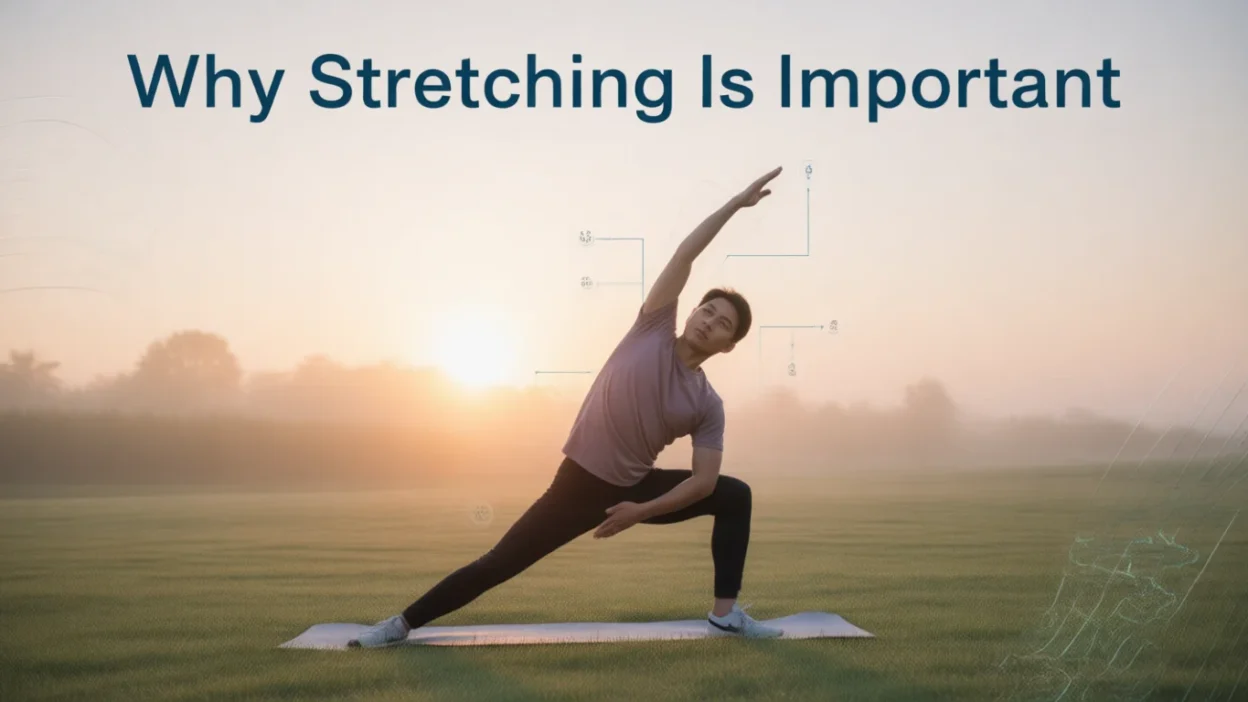
Stretching is one of the simplest yet most powerful habits you can add to your daily routine.
Whether you are an athlete, a student, a working professional, or someone simply trying to stay healthy, stretching plays a major role in improving physical comfort, mobility, and overall well-being.
It keeps the muscles flexible, supports better posture, enhances circulation, and prevents stiffness caused by long hours of sitting or repetitive movements.
Many people underestimate stretching because it looks gentle and effortless, but in reality, it offers deep physical and mental benefits.
From reducing injury risks to improving sleep, from boosting energy levels to helping the body relax—stretching contributes to better health in dozens of ways.
Below are 25 powerful reasons explaining why stretching is important and how it benefits your daily life.
Improves Overall Flexibility
Stretching helps lengthen tight muscles and improves your range of motion. Over time, increased flexibility makes everyday movements easier and more comfortable. This prevents stiffness and supports healthy muscle function.
Enhances Muscle Strength Support
When muscles are stretched regularly, they become more balanced and supportive during physical activity. This balance helps improve overall strength by reducing tension and allowing muscles to activate properly.
Reduces the Risk of Injury
Tight muscles are more prone to strain, pulls, and tears. Stretching prepares your joints and muscles for movement, making your body less vulnerable to accidental injuries during sports or daily tasks.
Improves Blood Circulation
Stretching increases blood flow to the muscles, which boosts oxygen and nutrient delivery throughout the body. Better circulation supports healing, reduces soreness, and promotes overall vitality.
Helps Maintain Good Posture
When you stretch tight muscles—especially in the neck, shoulders, and hips—you help your body maintain proper alignment. Improved posture reduces back pain and improves confidence and appearance.
Reduces Stress and Tension
Stretching releases physical tension stored in muscles and helps calm the mind. Slow, deep stretching can act like meditation and promote relaxation during stressful moments.
Boosts Physical Performance
Athletes and active individuals benefit greatly from stretching before and after workouts. It helps muscles move smoothly, increases agility, and improves coordination during physical activities.
Prevents Muscle Soreness
Stretching after exercise helps reduce lactic acid buildup. This makes recovery smoother and decreases the chance of experiencing next-day soreness or stiffness.
Supports Joint Health
Stretching keeps the joints flexible and lubricated. With improved movement, joints experience less wear and tear, reducing long-term issues like arthritis or swelling.
Enhances Balance and Stability
Regular stretching improves body awareness and balance. This helps reduce falls and keeps you stable when performing daily movements or athletic activities.
Increases Energy Levels
Stretching helps awaken the body by increasing blood flow and releasing muscle tightness. It refreshes the mind, boosts alertness, and provides a natural energy lift during the day.
Improves Coordination
Stretching improves the connection between muscles and the nervous system. This enhances movement control, making your actions smoother and more efficient.
Supports Better Breathing
Tight chest and back muscles can restrict breathing. Stretching these areas opens the lungs, allowing deeper breaths and better oxygen flow throughout the body.
Encourages Better Body Alignment
Regular stretching ensures that no muscle group becomes overly tight or weak. This promotes balanced alignment, which keeps your movement symmetrical and reduces discomfort.
Helps Reduce Back Pain
Stretching loosens tight muscles in the lower back, hips, and hamstrings. This eases pressure on the spine and can significantly reduce long-term back pain.
Enhances Athletic Recovery
Post-workout stretching aids in quicker recovery by reducing tension and promoting relaxation. This allows athletes to train consistently without overuse injuries.
Improves Sleep Quality
Stretching before bed helps relax the nervous system and muscles. This makes falling asleep easier and improves overall sleep quality.
Reduces Muscle Stiffness from Sitting
Long hours of sitting can make muscles tight and uncomfortable. Stretching breaks this stiffness and restores natural mobility to your body.
Helps Maintain Healthy Aging
As we age, muscles naturally lose elasticity. Regular stretching slows this process by keeping muscles flexible, joints strong, and movement effortless.
Supports Pain Management
For individuals with chronic pain, gentle stretching can relieve tension and increase comfort. It reduces pressure on sensitive areas and promotes healing.
Boosts Mind-Body Connection
Stretching increases awareness of your body’s movements and sensations. This connection helps improve posture, coordination, and overall physical awareness.
Improves Mood
Stretching releases endorphins, the natural feel-good hormones. This boosts your mood, reduces anxiety, and supports emotional well-being throughout the day.
Enhances Daily Comfort
Simple tasks like bending, reaching, or walking become easier with flexible muscles. Stretching ensures that movement feels natural and pain-free in daily life.
Supports Recovery from Injuries
Stretching plays a vital role in rehabilitation. It restores muscle length, improves mobility, and supports safe healing after injuries.
Builds Healthy Lifestyle Habits
Adding stretching to your daily routine encourages discipline, mindfulness, and self-care. It sets the foundation for a healthier overall lifestyle.
Summary Table: Why Stretching Matters
| Category | Importance | Example |
|---|---|---|
| Flexibility | Easier and smoother movement | Touching toes without strain |
| Safety | Prevents injuries | Warm-up before workouts |
| Health | Better posture, breathing, circulation | Reducing back pain |
| Mind | Stress relief and relaxation | Deep stretching to calm the mind |
| Performance | Better coordination and energy | Stretching before sports |
Idioms Related to Stretching & Movement
| Idiom | Meaning | Example |
|---|---|---|
| Stretch your limits | Push beyond comfort zone | She stretched her limits during training. |
| Go the extra mile | Put in extra effort | He went the extra mile in his fitness routine. |
| Bend over backward | Make extra effort to help | She bent over backward to support him. |
| A big stretch | Something hard to believe | Calling him an expert is a big stretch. |
| On the stretch | Under pressure or tension | The team was on the stretch during the match. |
Real-Life Examples of Why Stretching Helps
- Office workers reducing neck pain through daily stretching.
- Athletes improving performance with warm-ups and cool-downs.
- older people individuals maintaining mobility with flexibility exercises.
- Students using stretching breaks to focus better.
- People recovering from lower-back issues through consistent stretching routines.
FAQs
Q1: How often should I stretch?
Stretching at least 10–15 minutes daily is ideal for long-term benefits.
Q2: Does stretching improve posture?
Yes. Stretching loosens tight muscles that pull your body out of alignment, improving posture.
Q3: Should I stretch before or after exercising?
Both. Before workouts for preparation and after workouts for recovery.
Q4: Can stretching reduce stress?
Absolutely. Slow stretching relaxes both the body and mind.
Q5: Is stretching safe for everyone?
Yes, but individuals with medical conditions should consult a professional for safe routines.
Final Thought
Stretching is a simple habit, but its impact is incredibly powerful. It improves health, increases comfort, enhances mobility, and supports better physical and mental well-being.
Whether you are young or old, athletic or sedentary, stretching helps your body stay relaxed, flexible, and capable of handling everyday challenges. A few minutes of stretching daily can transform your posture, energy levels, and long-term health.
When practiced consistently, stretching becomes a form of self-care that allows your body to function at its best and move freely without pain. It’s a small investment with huge, lasting rewards.

Joy Root is a content writer at Whygenix.com, creating clear, engaging articles that explain complex ideas simply, helping readers understand why topics matter in everyday life and personal growth.