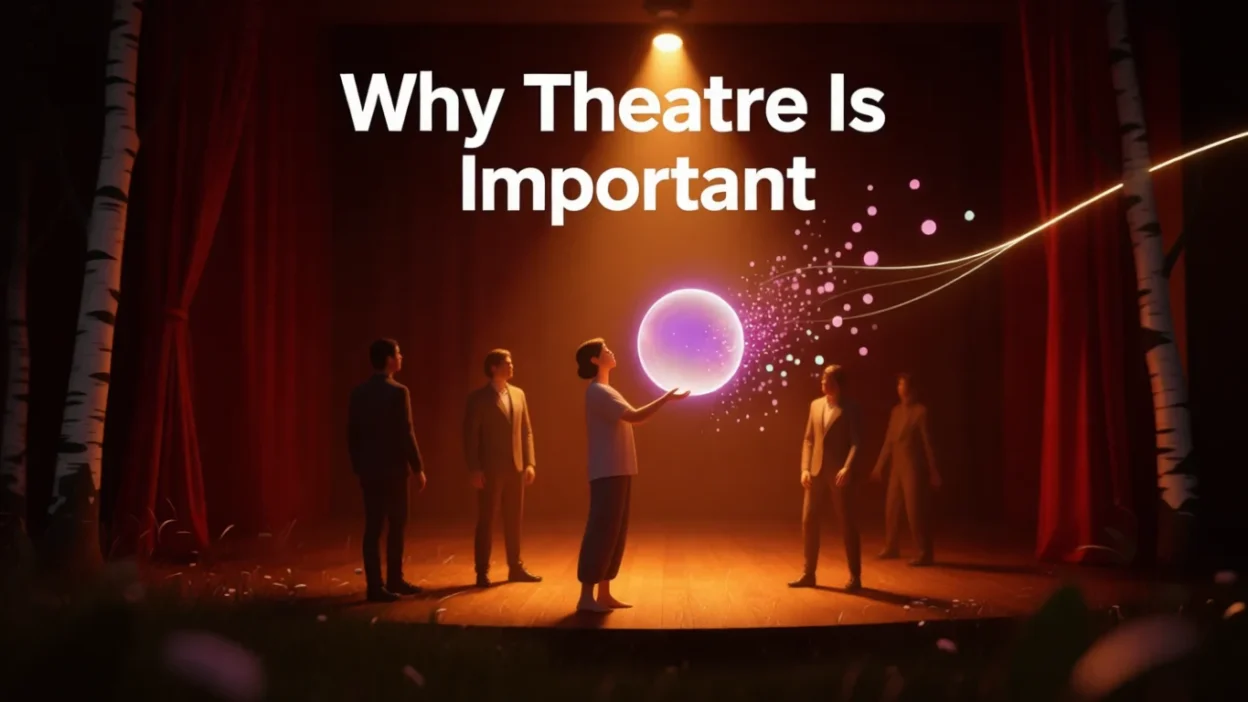
Theatre is one of the oldest and most influential art forms in human history. It brings stories to life, connects people through emotions, and helps us understand the world from different perspectives.
Unlike movies or digital entertainment, theatre is live, raw, and real — every performance is unique, and every moment is shared between the audience and the actors. Theatre blends creativity, expression, culture, and community in a way no other art form can replicate.
In schools, communities, and societies worldwide, theatre strengthens communication skills, boosts confidence, and encourages empathy. It entertains, educates, and inspires.
Whether you’re watching a play or performing in one, theatre has the remarkable ability to transform how you think, feel, and understand human experiences. Below are 25 meaningful reasons why theatre continues to hold an important place in our world.
Enhances Emotional Expression
Theatre allows individuals to express emotions openly through performance. It offers a safe space to explore different feelings and present them creatively and powerfully in front of audiences.
Builds Confidence and Self-Esteem
Performing in front of others strengthens confidence. Theatre teaches individuals to speak clearly, use body language effectively, and believe in their ability to communicate.
Encourages Creativity and Imagination
Theatre invites people to imagine worlds, characters, and stories beyond reality. It inspires creative thinking and allows actors and writers to express innovative ideas.
Strengthens Communication Skills
Theatre requires clear speech, expressive gestures, and attentive listening. These skills translate into better communication in personal, academic, and professional life.
Promotes Empathy and Understanding
By stepping into a character’s shoes, performers learn to understand different emotions, experiences, and perspectives. This builds empathy and emotional awareness.
Connects Communities
Theatre brings people together to laugh, cry, and think collectively. Community plays strengthen social bonds and create shared cultural experiences.
Preserves History and Culture
Theatre helps pass down traditions, stories, and cultural values from generation to generation. Many plays serve as historical records of their time.
Encourages Teamwork
Producing a play requires teamwork between actors, directors, writers, and technicians. Everyone works together toward a shared goal, strengthening collaboration.
Improves Problem-Solving Skills
Unexpected challenges happen in live performances. Theatre teaches actors to stay calm, think fast, and solve problems creatively.
Enhances Memory and Focus
Learning scripts and remembering stage movements improves cognitive skills. Theatre strengthens concentration and sharpened mental discipline.
Supports Mental Health
Theatre provides emotional release, boosts confidence, and reduces stress. Creative expression contributes to a healthier mind and emotional balance.
Inspires Critical Thinking
Plays often explore complex themes and social issues. Theatre encourages audiences to reflect, question, and think deeply about important topics.
Builds Discipline and Commitment
Actors must rehearse regularly and stay dedicated. Theatre teaches discipline, time management, and consistent effort.
Encourages Public Speaking Skills
Theatre builds strong vocal skills, posture, and presence — essential qualities for powerful public speaking.
Creates Memorable Experiences
Every performance is unique. Theatre offers memorable moments that leave lasting emotional and psychological impact on audiences.
Strengthens Cultural Appreciation
Theatre exposes people to diverse cultures, traditions, and languages. It broadens horizons and increases cultural sensitivity.
Promotes Social Awareness
Many plays highlight social issues such as inequality, injustice, and human rights. Theatre inspires people to think about change and take action.
Offers Educational Value
Theatre helps students learn literature, history, and communication in an engaging and practical way.
Encourages Self-Discovery
Through acting and storytelling, individuals learn more about themselves, their abilities, and their personal strengths.
Builds Resilience
Performers face criticism, challenges, and mistakes. Theatre teaches them to grow from these experiences and become stronger.
Strengthens Listening Skills
Actors must listen carefully to cues and dialogues. Theatre improves active listening and attentiveness.
Provides Career Opportunities
Theatre opens doors to careers in acting, writing, directing, costume design, lighting, and more.
Supports Emotional Healing
Theatre can be therapeutic. Many people use performance to release emotional pain and process trauma in creative ways.
Encourages Collaboration Across Skills
Theatre brings together writers, musicians, designers, and technicians. It encourages cross-skill collaboration and creativity.
Reflects Society and Human Experience
Theatre mirrors real life — its struggles, joys, and complexities. It helps audiences reflect on humanity and understand societal truths.
Summary Table: Why Theatre Matters
| Category | Importance | Example |
|---|---|---|
| Creativity | Inspires imagination | Acting in a fantasy play |
| Education | Enhances learning | School theatre programs |
| Community | Builds unity | Local theatre festivals |
| Emotional Health | Encourages expression | Drama therapy |
| Communication | Improves speaking skills | Public performances |
Idioms Related to Theatre & Drama
| Idiom | Meaning | Example |
|---|---|---|
| Break a leg | Good luck in theatre | The director said “break a leg” before the show. |
| In the spotlight | Being the center of attention | The lead actor was in the spotlight. |
| Curtain call | Final bow after a performance | The cast received a long curtain call. |
| Steal the show | Get all the attention | Her performance truly stole the show. |
| Act it out | Express through actions | Children often act out stories in class. |
Real-Life Examples of Theatre Importance
• School drama programs boosting student confidence
• Community theatres bringing neighborhoods together
• Plays raising awareness about social issues
• Actors using theatre to heal from emotional trauma
• Cultural festivals preserving traditions through storytelling
FAQs
Q1: Why is theatre important in education?
It develops confidence, creativity, communication skills, and teamwork among students.
Q2: Does theatre improve confidence?
Yes. Performing in front of people strengthens self-esteem and public speaking skills.
Q3: How does theatre benefit society?
It promotes social awareness, preserves culture, and connects communities.
Q4: Can theatre help mental health?
Absolutely. It provides emotional release, reduces stress, and builds self-expression.
Q5: Is theatre only for performers?
No. Writers, designers, directors, technicians, and audiences all play essential roles.
Final Thought
Theatre is far more than entertainment — it is a powerful tool for personal growth, social awareness, and cultural preservation.
It helps individuals express themselves, understand others, and develop essential life skills such as communication, confidence, and empathy. Theatre builds stronger communities, enriches education, and brings people together through the universal language of storytelling.
Whether you’re on stage or in the audience, theatre touches your heart, challenges your mind, and deepens your understanding of the human experience. Its impact is timeless, and its importance is undeniable.

Bret Lee writes educational and research-based content for Whygenix.com, focused on clarity, accuracy, and explaining why concepts matter through simple, engaging, reader-friendly writing.