You’re in a group chat late at night when someone texts, “ugh, my chest is burning—what does acid reflux feel like?”
A few people reply with fire emojis. Others say it feels like heartburn, but no one really explains it. Maybe you’ve felt something similar after spicy food or a big meal and wondered if that was acid reflux too.
That moment—half confused, half uncomfortable—is exactly why so many people search this question. If you’ve ever paused mid-scroll asking what does acid reflux feel like, this guide breaks it down in plain, easy words you can actually relate to.
Quick Answer:
Acid reflux usually feels like a burning sensation in the chest or throat, often after eating or lying down.
What Does Acid Reflux Feel Like? (Meaning Explained Simply)
Full form
There’s no abbreviation here. Acid reflux describes a condition where stomach acid flows back up into the esophagus (the tube connecting your mouth to your stomach).
Plain-English explanation
Normally, food and acid stay in your stomach. With acid reflux, that acid moves upward, which causes irritation. That irritation is what creates the uncomfortable feeling people talk about.
Common sensations include:
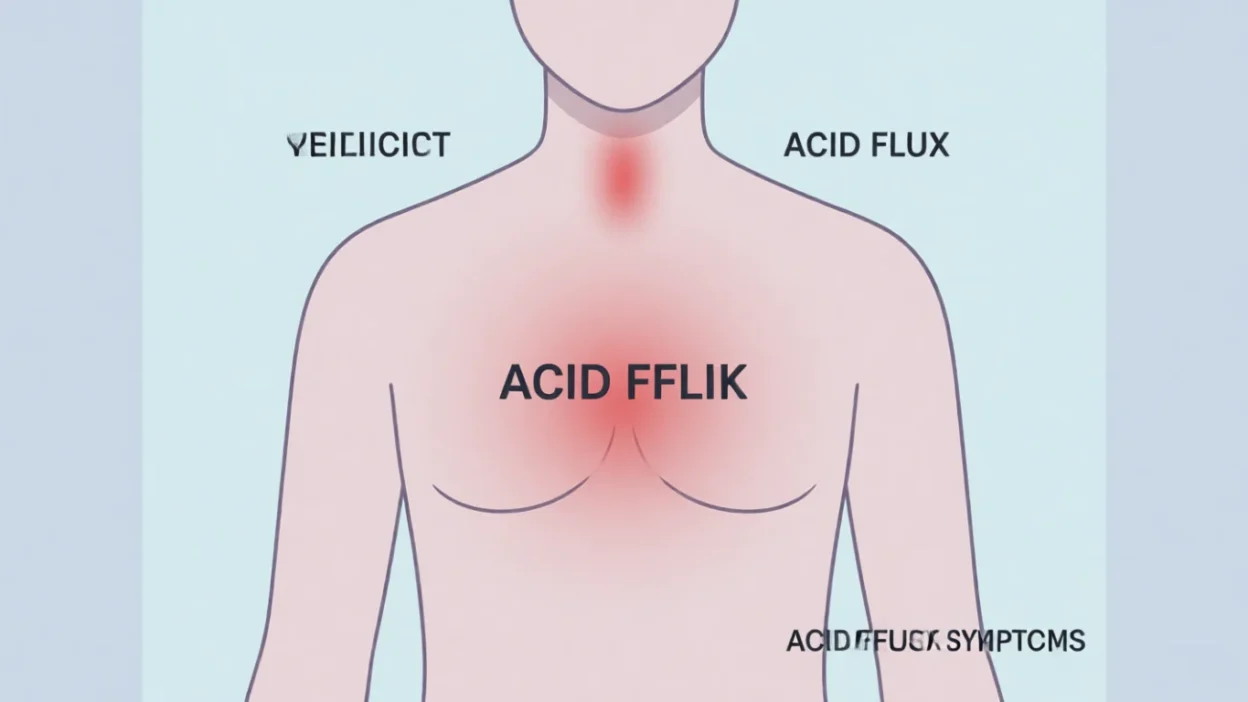
- a burning feeling in the chest (often called heartburn)
- a sour or bitter taste in the mouth
- discomfort that gets worse when lying down
- a feeling like food is coming back up
Why people talk about it
People use the term because it’s common and uncomfortable. It shows up a lot in texting culture, online chats, and social media when people complain about food-related discomfort.
Example sentence
“after pizza last night, acid reflux hit hard.”
Bold summary:
Acid reflux feels like burning or irritation in the chest or throat caused by stomach acid moving upward.
Common Feelings and Symptoms People Describe
When someone asks what does acid reflux feel like, they usually mean one or more of these sensations:
- burning in the chest: often behind the breastbone
- burning in the throat: especially after lying down
- sour taste: like acid or food coming back up
- tight or heavy feeling: sometimes confused with anxiety
- mild chest pain: usually temporary
Not everyone feels it the same way. Some people feel it strongly; others feel mild discomfort.
Where Is the Term Commonly Used Online?
You’ll see the phrase “what does acid reflux feel like” in many everyday digital spaces:
- text messages and group chats
- social media comments
- reddit and health forums
- youtube video discussions
- gaming chats during breaks
- late-night dms
Tone of usage
The tone is usually casual or neutral.
People often talk about it informally, especially when joking about food or discomfort, but the topic itself is health-related.
It’s not slang—but it fits naturally into informal chat and texting culture.
Realistic Conversation Examples (Modern Text Style)
Here are natural, lowercase examples of how people talk about acid reflux online:
- “what does acid reflux feel like? my chest is on fire.”
- “pretty sure that was acid reflux after tacos.”
- “acid reflux feels like regret in chest form.”
- “is this heartburn or acid reflux?”
- “lying down made my acid reflux worse.”
- “acid reflux after spicy food is the worst.”
- “anyone else get acid reflux at night?”
- “that burning feeling = acid reflux i think.”
- “why does acid reflux always hit at 2am?”
When to Use and When Not to Use the Term
✅ When to use “acid reflux”
- describing burning chest or throat discomfort
- talking about digestive issues
- asking for general information
- sharing personal experiences casually
❌ When not to use it
- to self-diagnose serious chest pain
- to joke about someone else’s health
- instead of medical advice when symptoms are severe
- in formal writing without explanation
Quick comparison table
| Context | Example phrase | Why it works or doesn’t |
|---|---|---|
| chat | “acid reflux is killing me rn” | casual and common |
| forum | “what does acid reflux feel like?” | appropriate |
| serious pain | “it’s probably just acid reflux” | risky assumption |
| joke | “acid reflux vibes” | informal, may confuse |
Similar Words or Alternatives You Might See
People often use different terms to describe acid reflux, especially online:
| Term | Meaning | When to use it |
|---|---|---|
| heartburn | burning chest feeling | most common |
| indigestion | stomach discomfort | casual talk |
| reflux | shortened form | chats and posts |
| sour stomach | acidic feeling | informal |
| chest burn | descriptive phrase | texting |
| food coming up | regurgitation feeling | simple explanation |
These terms are often used interchangeably in online chat meaning, even though they aren’t always medically exact.
FAQs About What Acid Reflux Feels Like
1. What does acid reflux feel like in simple words?
It feels like a burning or uncomfortable sensation in the chest or throat.
2. Is acid reflux the same as heartburn?
Heartburn is the most common symptom of acid reflux, but they’re not exactly the same thing.
3. Can acid reflux feel like chest pain?
Yes, mild chest pain or tightness is common, but serious pain should always be checked.
4. Why does acid reflux feel worse at night?
Lying down makes it easier for acid to move upward.
5. Is acid reflux common?
Yes. Many people experience it occasionally, especially after certain foods.
6. Is this term used in texting or slang?
It’s not slang, but it’s often mentioned casually in chats and posts.
7. Can stress make acid reflux feel worse?
Yes. Stress can increase stomach acid and discomfort.
Why People Confuse Acid Reflux With Other Feelings
Acid reflux can feel similar to:
- anxiety chest tightness
- hunger pains
- muscle soreness
- indigestion
That’s why people often ask online to compare experiences. Clear descriptions help reduce confusion and panic.
Final Thought
So, what does acid reflux feel like? Most people describe it as a burning or uncomfortable feeling in the chest or throat, often after eating or lying down.
While it’s commonly talked about in casual chats and social media, understanding what it actually feels like helps you respond calmly and clearly. Knowing the signs makes online conversations—and real-life moments—a lot less confusing.

Joy Root is a content writer at Whygenix.com, creating clear, engaging articles that explain complex ideas simply, helping readers understand why topics matter in everyday life and personal growth.