I still remember the first time I saw the word “asbestos” pop up in a home renovation Facebook group. Someone posted a photo of their old ceiling and asked, “is this asbestos?” The comments exploded. Some people said yes. Others said no. A few warned, “don’t touch it!”
That’s when I realized something important — most of us don’t actually know what asbestos looks like, but we’ve heard it can be dangerous. If you’ve ever found strange insulation, old tiles, or dusty ceiling material and wondered the same thing, you’re in the right place.
Quick Answer
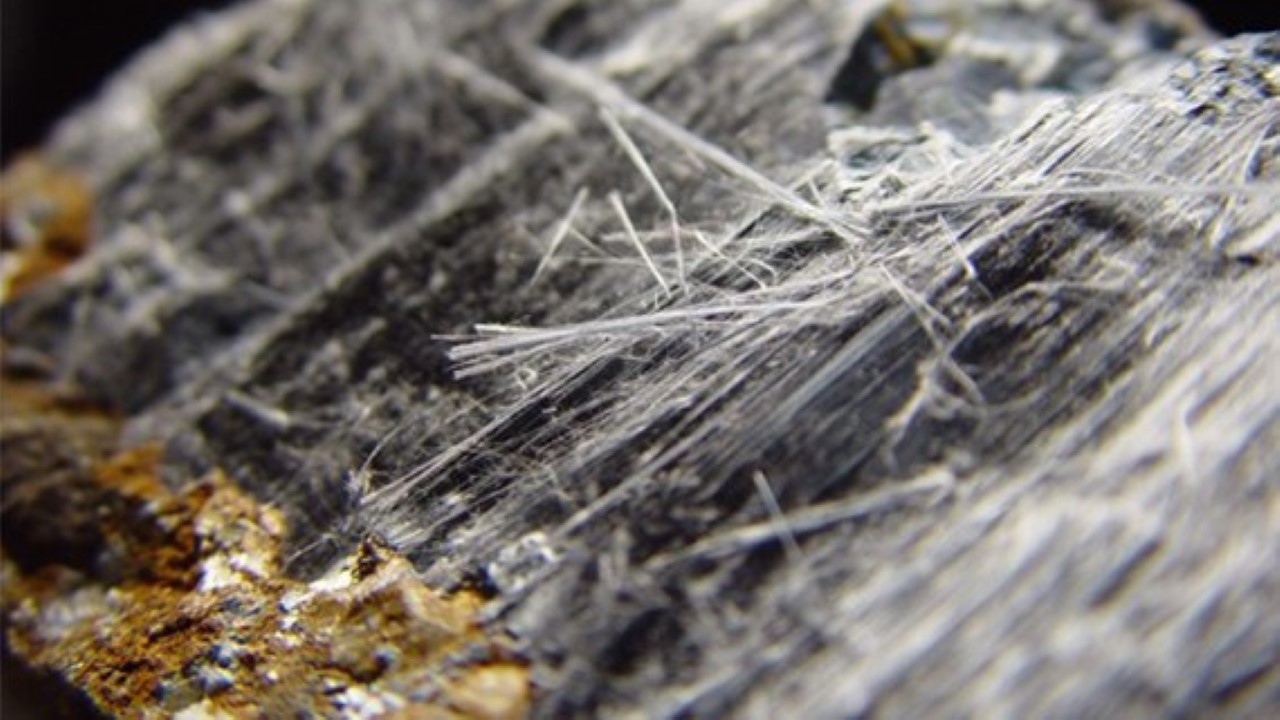
Asbestos usually looks like tiny, soft fibers that can appear white, gray, or bluish, but you cannot safely identify it just by looking at it.
What Does Asbestos Look Like? (Simple Explanation)
Let’s break it down in plain English.
Asbestos is a group of natural minerals made of very tiny fibers. These fibers are strong, heat-resistant, and were once used in many building materials.
It does not stand for anything — it’s not a texting abbreviation or chat shorthand. It’s simply the name of a mineral.
What It Looks Like in Real Life
Asbestos can look different depending on the type and how it’s used:
- Soft and fluffy (like cotton or wool)
- Powdery or dusty
- Hard and mixed into cement or tiles
- White, gray, brown, or even bluish
The tricky part? It often looks like normal building material.
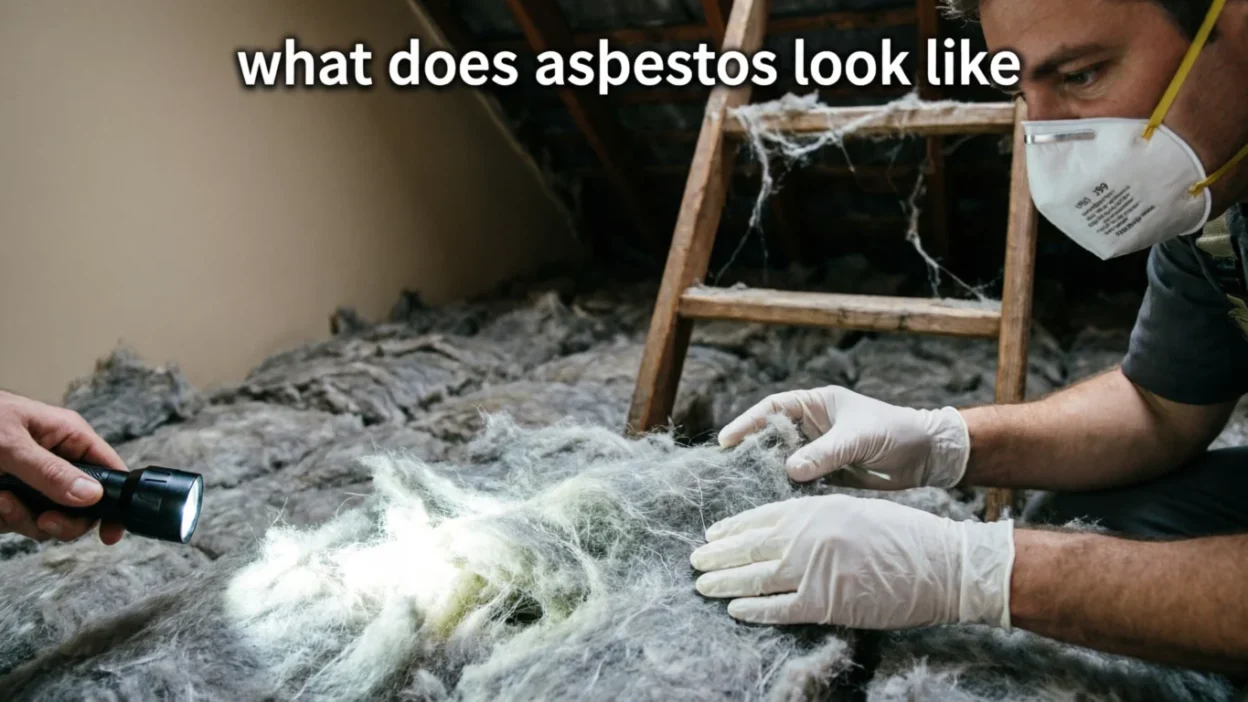
For example, asbestos insulation may look like white or gray fuzzy material in attics. Asbestos tiles may look like regular floor tiles.
Example sentence:
“I found some fluffy gray stuff in the attic — could that be asbestos?”
In short: asbestos can look like harmless dust or insulation, but you can’t confirm it without proper testing.
Common Types of Asbestos and How They Look
There are different types of asbestos, and each one looks slightly different.
1. Chrysotile (White Asbestos)
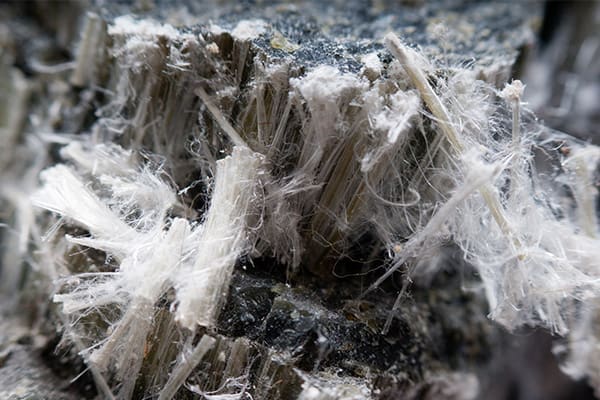

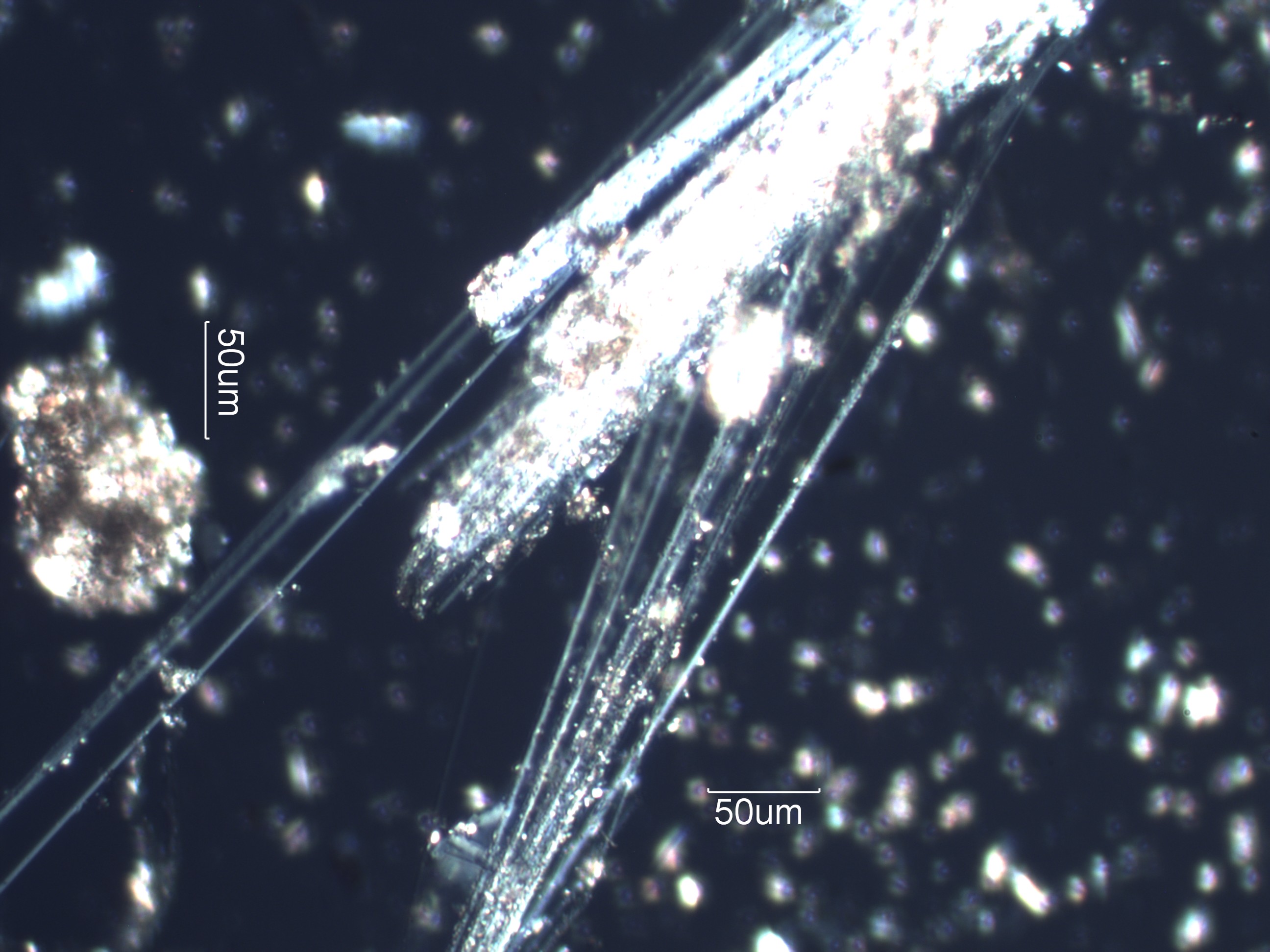
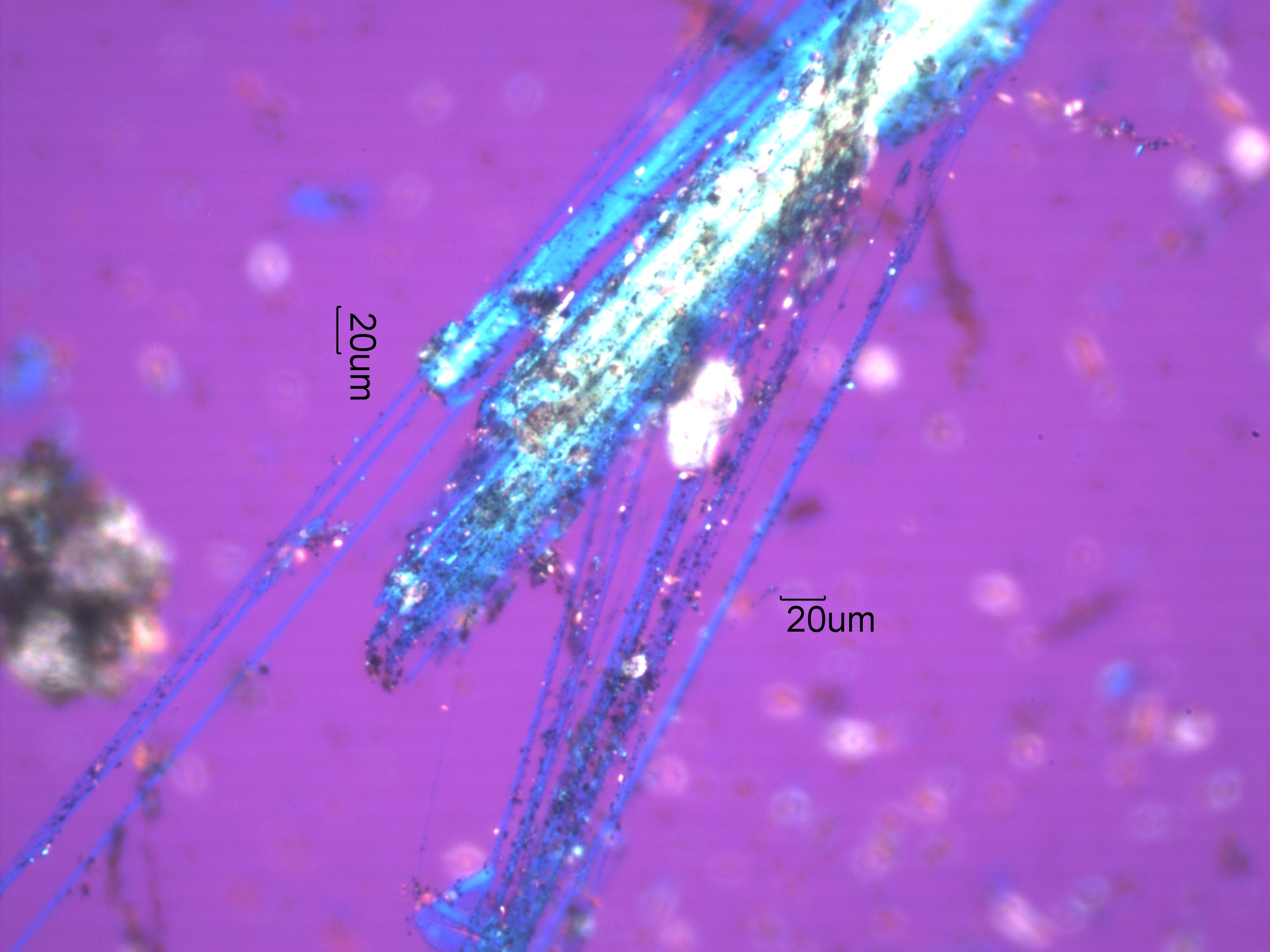
This is the most common type.
- Color: white or light gray
- Texture: soft and curly fibers
- Often found in: ceilings, walls, roofs, insulation
It may look fluffy or stringy.
2. Amosite (Brown Asbestos)


- Color: brown or gray
- Texture: straight, needle-like fibers
- Often used in: insulation boards and pipe insulation
It looks more rigid than white asbestos.
3. Crocidolite (Blue Asbestos)
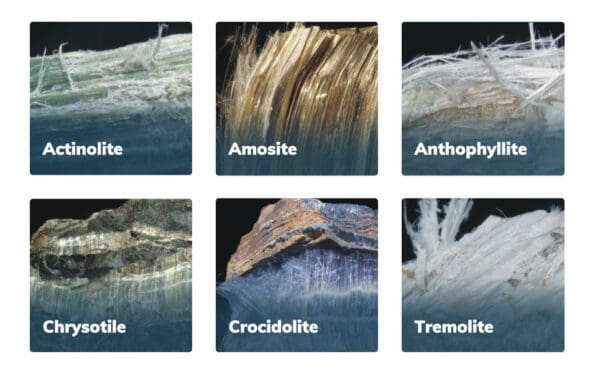
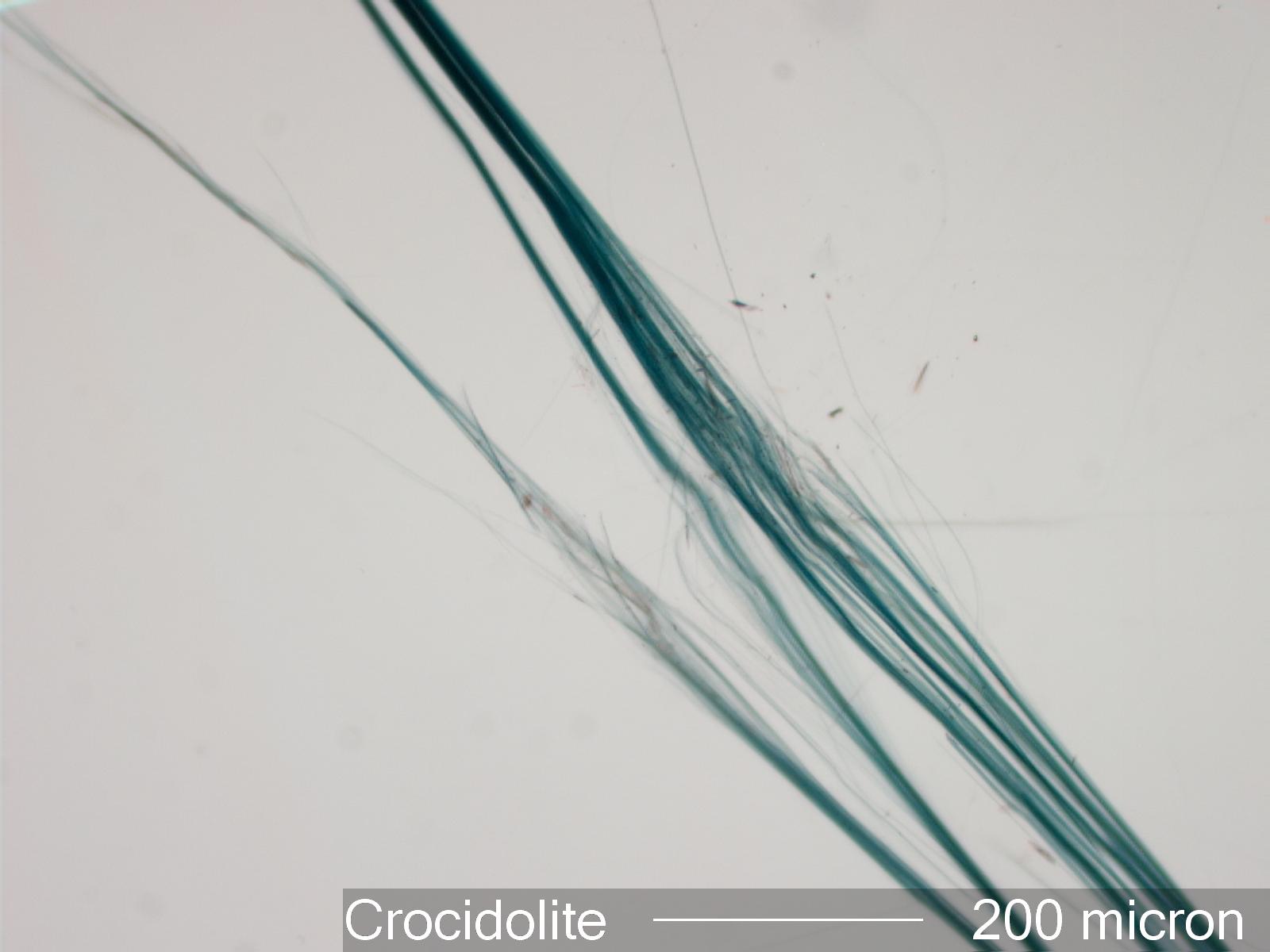
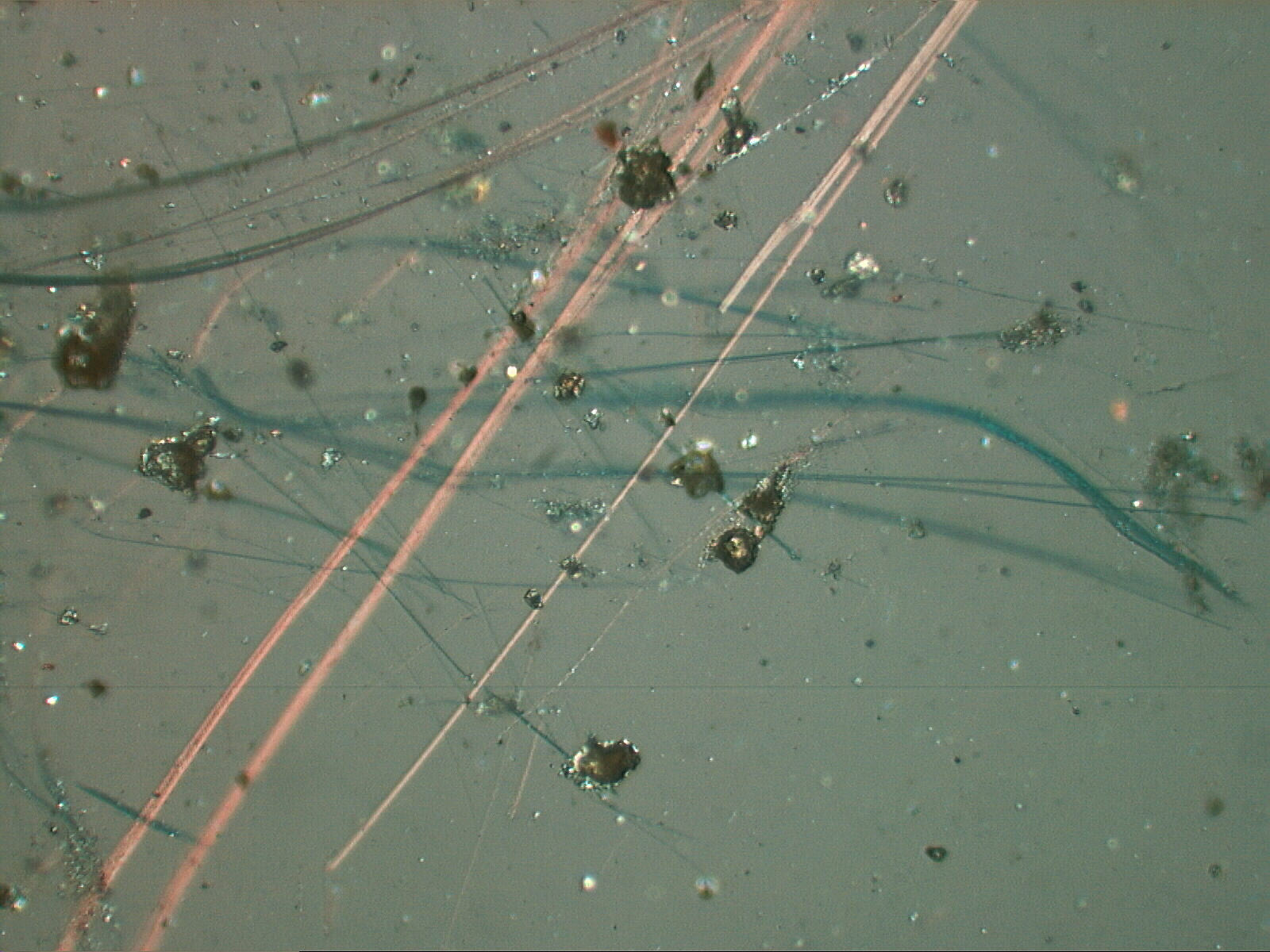
- Color: blue
- Texture: very thin, sharp fibers
- Used in: older insulation and cement products
This type has a bluish tint and very fine fibers.
Why It’s Hard to Identify Asbestos by Sight
Here’s the truth:
You cannot tell for sure if something is asbestos just by looking at it.
Many safe materials look almost the same. For example:
- Fiberglass insulation looks similar
- Old cement boards can look identical
- Dust from drywall may look fluffy too
The only safe way to confirm asbestos is through professional lab testing.
That’s why people often search “what does asbestos look like” — they’re trying to figure out if something in their home is dangerous.
Where People Usually Talk About Asbestos Online
Unlike social media slang or texting abbreviations, asbestos is not casual chat language. It’s a serious topic.
You’ll often see people asking about it in:
- Home renovation forums
- DIY Facebook groups
- Reddit home improvement threads
- Real estate discussions
- Landlord and tenant chats
- Community safety posts
Tone and Usage
- Tone: Serious, cautious, concerned
- Style: Neutral or formal
- Not slang or informal chat
People usually ask because they are worried about health or safety.
Realistic Conversation Examples (Online Style)
Here are some natural chat-style examples you might see online:
- “hey guys, does this look like asbestos to you?”
- “just pulled up old tiles… kinda worried it’s asbestos.”
- “my house was built in the 70s, should i test for asbestos?”
- “found fluffy insulation in attic, could that be asbestos?”
- “is asbestos always white?”
- “should i stop the renovation if i suspect asbestos?”
- “landlord says it’s safe but idk…”
- “anyone know what asbestos actually looks like?”
Notice how the tone is concerned, not playful.
When to Use and When Not to Use the Term
✅ DO
- Use it when talking about building safety
- Ask about it during home renovations
- Mention it in serious safety discussions
- Use it when discussing older homes (pre-1990s)
❌ DON’T
- Joke about it casually
- Guess without testing
- Disturb suspected materials
- Use it as slang (it’s not texting culture)
Quick Comparison Table
| Context | Example Phrase | Why It Works / Doesn’t |
|---|---|---|
| Home renovation | “could this be asbestos?” | Works – safety concern |
| School project | “we studied what asbestos looks like.” | Works – educational |
| Casual joke | “lol my room is full of asbestos” | Doesn’t work – unsafe & insensitive |
| Gaming chat | “this game is asbestos” | Doesn’t work – not slang |
Similar Materials People Confuse with Asbestos
Many people search “what does asbestos look like” because it resembles other materials.
Here are some common look-alikes:
1. Fiberglass Insulation
- Looks fluffy and soft
- Usually pink, yellow, or white
- Common in modern homes
2. Mineral Wool
- Gray or brown
- Fibrous texture
- Used for insulation
3. Cellulose Insulation
- Looks like shredded paper
- Gray and dusty
- Made from recycled paper
4. Cement Board
- Hard and flat
- May contain asbestos in older buildings
- Looks like normal board
The key difference? You can’t confirm by sight alone.
FAQ: What Does Asbestos Look Like?
1. Can you see asbestos with your eyes?
Yes, but only in bulk form. The tiny harmful fibers are often too small to see clearly.
2. Is asbestos always white?
No. It can be white, gray, brown, or blue.
3. Does asbestos look fluffy?
Sometimes. Certain types look soft and fluffy, especially insulation forms.
4. Can I test asbestos at home?
Home kits exist, but professional lab testing is safest.
5. Is asbestos used today?
In many countries, it’s banned or heavily restricted, but older buildings may still contain it.
6. Why do people search “what does asbestos look like”?
Usually because they found something suspicious during renovation or cleaning.
7. Is asbestos dangerous just by being there?
It becomes dangerous when disturbed and fibers become airborne.
Important Safety Reminder
If you suspect asbestos:
- Do not touch it
- Do not drill or cut it
- Do not vacuum it
- Contact a professional
Disturbing it can release harmful fibers into the air.
Final Thought
So, what does asbestos look like?
It can appear fluffy, fibrous, dusty, white, gray, brown, or blue — but it often looks like normal building material. That’s what makes it tricky.
The most important thing to remember is this: you cannot confirm asbestos by sight alone.
If you’re asking this question, you’re already doing the smart thing — being cautious. When it comes to asbestos, safety always comes first.

Sara Taylor is a content writer at Whygenix.com, creating clear, engaging articles that simplify complex ideas, helping readers understand the why behind topics in education, lifestyle, and personal development.