You’re scrolling through your phone late at night when you see someone ask in a group chat, “what does blood in stool look like?” Or maybe you spotted the phrase in a comment thread, a health forum, or a TikTok Q&A and felt a little uneasy.
It’s one of those topics people often search quietly, because it feels awkward to ask out loud. Still, curiosity (or concern) kicks in fast. Seeing blood mentioned alongside bathroom habits can be scary, confusing, and full of questions.
The good news is that understanding what it can look like—and what it may or may not mean—helps you stay calm and informed.
Quick Answer:
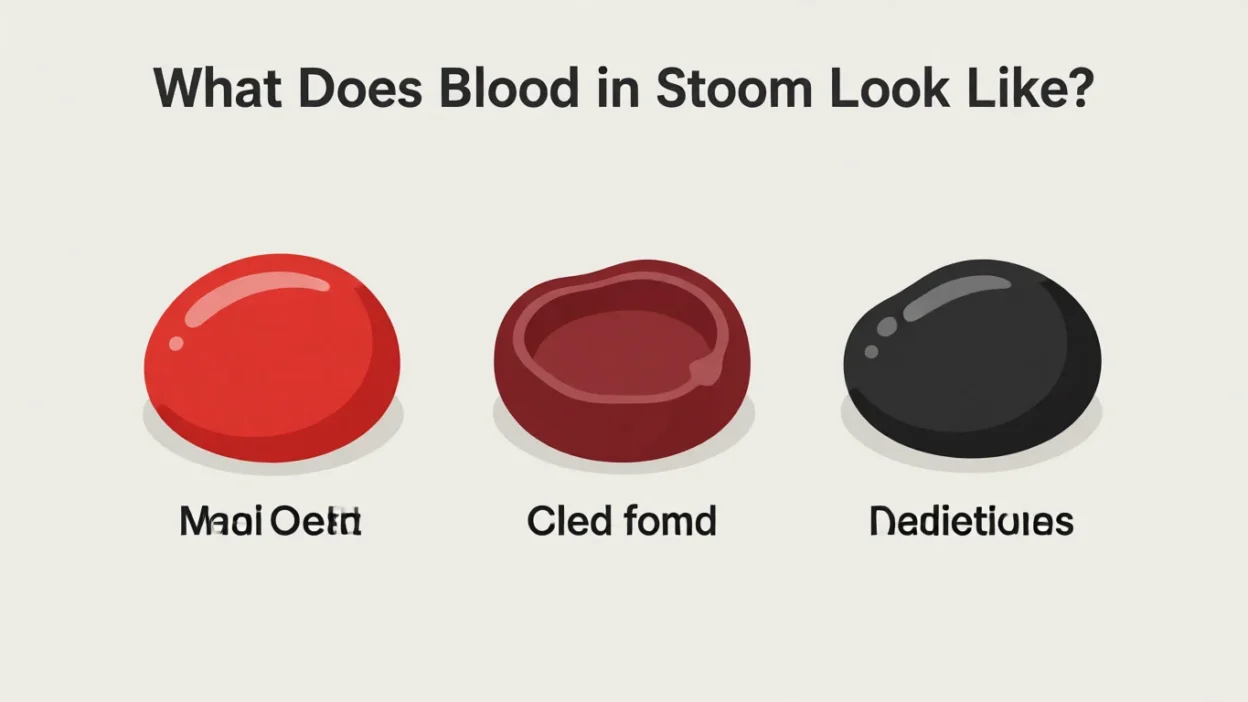
Blood in stool can look bright red, dark red, or black and tar-like, depending on where the bleeding comes from in the digestive system.
What Does Blood in Stool Look Like? (Plain Explanation)
Full form:
There is no abbreviation or slang here—blood in stool means exactly what it says: blood that appears in or on bowel movements.
In simple terms, blood in stool means that blood is mixed with poop, on the surface of it, or seen on toilet paper after wiping. The color and appearance can vary a lot, and that variation matters.
People search and talk about this term because it’s a visible sign that something might be going on inside the body. Sometimes it’s minor, sometimes it needs medical attention, and sometimes it’s urgent.
Short example sentence:
“i noticed bright red blood in my stool this morning and got worried.”
Bold summary:
Blood in stool means visible blood during bowel movements, and its color and texture can give clues about where it’s coming from.
What Different Types of Blood in Stool Can Look Like
Understanding appearance helps reduce panic and confusion.
1. Bright Red Blood
- Looks fresh and red
- Often seen on toilet paper or coating the stool
- Usually linked to lower digestive areas
2. Dark Red or Maroon Blood
- Deeper red color
- Mixed into the stool
- Can suggest bleeding higher up
3. Black, Tarry Stool
- Looks sticky, shiny, and black
- Strong, unpleasant smell
- Often linked to upper digestive bleeding
4. Blood Mixed With Mucus
- Slimy texture
- May appear streaked or cloudy
- Sometimes discussed in online health forums
Each look can mean something different, which is why people often compare experiences online.
Where Is the Term Commonly Used Online?
You’ll mostly see “blood in stool” used in serious but casual online spaces.
Common places:
- Health forums and Reddit threads
- Private DMs asking for advice
- Comment sections on health videos
- WhatsApp or Messenger chats with close friends
- Parenting or wellness groups
Tone:
The tone is usually neutral to serious, sometimes slightly casual in private chats, but rarely playful. People use careful language because it’s health-related.
Realistic Conversation Examples (Lowercase)
Here are examples of how people talk about this online:
- “has anyone experienced blood in stool before?”
- “i saw bright red blood after using the bathroom.”
- “there’s dark blood mixed in my stool and i’m worried.”
- “is blood in stool always serious?”
- “i noticed black stool and freaked out.”
- “google says blood in stool can be many things.”
- “should i see a doctor for blood in stool?”
- “it wasn’t painful, but there was blood.”
- “anyone else talk to a doctor about this?”
These chats show curiosity, concern, and a search for reassurance.
When to Use and When Not to Use the Term
Because this is a health-related phrase, context matters a lot.
✅ When to Use It
- When describing symptoms clearly
- When asking a doctor or nurse
- In health forums or advice chats
- When tracking health changes
❌ When Not to Use It
- As a joke or exaggeration
- In public comments without context
- To self-diagnose seriously
- In professional settings unrelated to health
Comparison Table
| Context | Example Phrase | Why It Works / Doesn’t |
|---|---|---|
| doctor visit | “i noticed blood in my stool” | clear and helpful |
| health forum | “what does blood in stool look like?” | appropriate |
| casual joke | “that exam was blood in stool level bad” | inappropriate |
| vague text | “something weird happened” | not clear enough |
Similar Terms or Alternatives People Use
People sometimes use softer or indirect language, especially online.
| Term | Meaning | When Used |
|---|---|---|
| rectal bleeding | bleeding from rectum | medical contexts |
| bloody stool | stool with visible blood | casual talk |
| blood after wiping | blood on toilet paper | informal chats |
| dark stool | black or tar-like poop | cautious wording |
| bathroom bleeding | vague reference | private chats |
Using clearer words helps avoid misunderstandings.
FAQs About Blood in Stool
1. Is blood in stool always serious?
No. Sometimes it’s minor, but it should never be ignored, especially if it keeps happening.
2. Can food cause red stool?
Yes. Foods like beets can change stool color, but they don’t usually look like actual blood.
3. Is bright red blood better than dark blood?
Not “better,” but bright red often comes from lower areas, while dark blood may come from higher up.
4. Can kids or teens experience this?
Yes. It can happen at any age, though causes may differ.
5. Is it okay to ask about this on social media?
Many people do, but medical professionals are the best source for clear answers.
6. Does blood in stool always hurt?
No. Sometimes there’s no pain at all, which can be confusing.
7. When should someone seek medical help?
If it happens more than once, looks black, or comes with pain, weakness, or dizziness, it’s best to see a doctor.
Final Thought
So, what does blood in stool look like? It can appear bright red, dark red, or black and tar-like, and each look tells a slightly different story.
In today’s digital world, people often turn to chats, comments, and forums first—but clear understanding matters more than panic.
Knowing how to describe what you see helps you communicate better, stay informed, and decide when it’s time to seek professional advice. Awareness is the first step toward taking care of your health.

Bret Lee writes educational and research-based content for Whygenix.com, focused on clarity, accuracy, and explaining why concepts matter through simple, engaging, reader-friendly writing.