You’re scrolling through social media late at night, half-relaxed, half-stressed, when a video pops up saying, “your cortisol levels are too high.”
Suddenly, everyone in the comments is talking about stress, weight gain, sleep problems, and hormones. You pause and think—wait, what does cortisol do anyway?
Maybe you’ve heard the word from a doctor, a fitness influencer, or a mental health post. It sounds serious, but no one explains it in a simple way. That’s exactly why people search for it.
Don’t worry. Cortisol isn’t scary. It’s actually something your body needs every day. Let’s break it down in clear, easy language so it finally makes sense.
Quick Answer
Cortisol is a hormone that helps your body handle stress, control energy, manage inflammation, and keep you alert and balanced.
What Does Cortisol Do?
Full Form (If Applicable)
Cortisol does not stand for anything.
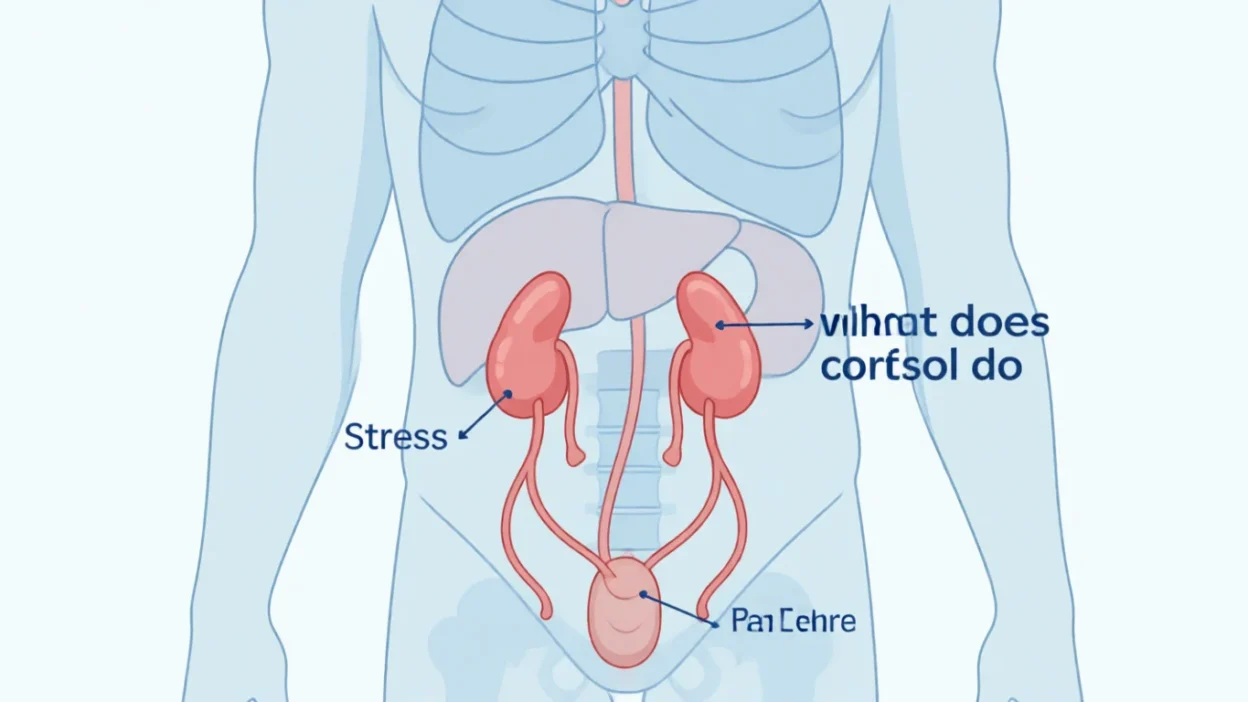
It is a natural hormone made by your adrenal glands.
Plain-English Explanation
Cortisol is often called the “stress hormone,” but that’s only part of the story. Your body releases cortisol to help you wake up, stay focused, respond to danger, and manage daily stress.
Think of cortisol as your body’s helper hormone. It gives you energy in the morning, helps control blood sugar, and supports your immune system when used in the right amount.
Why People Talk About It So Much
- stress and burnout are common
- social media discusses “high cortisol” a lot
- it affects sleep, weight, and mood
- fitness and wellness trends mention it
Short Example Sentence
Bold summary: Cortisol helps your body respond to stress, regulate energy, and stay balanced.
What Does Cortisol Do in the Body?
Cortisol plays many important roles, not just stress.
1. Helps You Wake Up
Cortisol levels are highest in the morning.
That’s why you feel more alert after waking up.
2. Manages Stress
When you’re nervous, scared, or under pressure, cortisol kicks in to help you react quickly.
3. Controls Blood Sugar
Cortisol helps keep blood sugar steady so your brain and muscles have energy.
4. Supports the Immune System
In small amounts, cortisol reduces inflammation and helps prevent overreactions.
5. Affects Metabolism
It influences how your body uses fat, protein, and carbs.
Where Is the Term “Cortisol” Commonly Used?
You’ll see or hear cortisol in both casual and formal spaces.
Common Places
- health and wellness posts
- fitness and gym content
- doctor visits
- online forums
- social media comments
- dms about stress or burnout
Tone of the Term
- neutral
- sometimes formal in medical settings
- casual on social media
Unlike slang, cortisol is a real medical term, but people use it casually online.
Cortisol in Texting and Online Conversations
Even though cortisol is a medical term, it’s often used in casual chat now.
People say things like:
- “my cortisol is probably high”
- “stress is messing with my cortisol”
- “trying to lower my cortisol”
In texting culture, it usually means feeling stressed, overwhelmed, or burned out.
Realistic Conversation Examples (Lowercase)
Here’s how people casually talk about cortisol online:
- “i swear my cortisol is through the roof lately”
- “no wonder i’m tired, cortisol is wild rn”
- “my trainer said stress raises cortisol”
- “trying to sleep better for my cortisol”
- “social media makes cortisol sound scary”
- “work stress = high cortisol”
- “apparently cortisol affects weight”
- “i need a break, my cortisol needs it”
- “learning what cortisol actually does”
When to Use and When NOT to Use the Term “Cortisol”
✅ When to Use It
- talking about stress or health
- discussing hormones or wellness
- casual chats about burnout
- medical or fitness discussions
❌ When Not to Use It
- joking about serious health issues
- using it to self-diagnose
- confusing it with emotions
- replacing professional advice
Comparison Table
| Context | Example Phrase | Why It Works / Doesn’t |
|---|---|---|
| casual chat | “stress raises cortisol” | works, accurate |
| doctor visit | “my cortisol feels off” | works as discussion |
| joking insult | “your cortisol is ugly” | ❌ inappropriate |
| diagnosis | “i have cortisol disorder” | ❌ needs doctor |
What Happens When Cortisol Is Too High?
Short-term stress is normal.
Long-term high cortisol can cause problems.
Possible Effects
- trouble sleeping
- weight gain (especially belly fat)
- feeling anxious or tired
- headaches
- weaker immune response
This is why people online talk about “lowering cortisol.”
What Happens When Cortisol Is Too Low?
Low cortisol is less common but serious.
It can cause:
- extreme tiredness
- dizziness
- low blood pressure
- weakness
This usually requires medical care.
Words People Confuse With Cortisol
Here are similar terms people mix up:
| Term | What It Means | When to Use |
|---|---|---|
| stress | emotional pressure | feelings |
| adrenaline | fast stress response | danger |
| anxiety | mental health condition | emotions |
| hormones | body messengers | general |
| burnout | long-term stress | lifestyle |
Cortisol is not a feeling—it’s a hormone that affects feelings.
FAQs About “What Does Cortisol Do?”
1. Is cortisol bad for you?
No.
Cortisol is necessary for survival. Problems happen only when levels stay too high or too low.
2. Why is cortisol called the stress hormone?
Because it rises during stress to help your body respond quickly.
3. Does cortisol cause weight gain?
High cortisol over time can affect weight, especially with stress eating.
4. Can sleep affect cortisol?
Yes.
Poor sleep can raise cortisol levels.
5. Is cortisol talked about on social media a lot?
Yes.
It’s common in wellness, fitness, and mental health content.
6. Can you feel cortisol?
Not directly.
You feel its effects, like alertness or stress.
7. Should I worry about my cortisol?
Only if a healthcare professional suggests testing it.
Why Cortisol Matters in Modern Life
In today’s fast-paced, always-online world, stress is everywhere. That’s why cortisol shows up in conversations, reels, and comments.
Understanding what it actually does helps stop fear and confusion.
Cortisol isn’t your enemy. It’s your body trying to protect you.
Final Thought
So, what does cortisol do?
Cortisol helps your body wake up, manage stress, control energy, and stay balanced.
While social media often paints it as “bad,” the truth is simpler—your body needs cortisol to function.
Understanding it helps you make sense of stress, health talk, and modern digital conversations without panic or misinformation.

Joy Root is a content writer at Whygenix.com, creating clear, engaging articles that explain complex ideas simply, helping readers understand why topics matter in everyday life and personal growth.