The first time I heard the word “furlough”, it wasn’t in an office meeting. It showed up in a group chat. Someone typed, “company’s doing furloughs next month,” and the chat went quiet.
A few people asked if that meant layoffs. Others said it was temporary. No one sounded 100% sure. That’s how this word spreads—through texts, tweets, and online posts—often with a lot of confusion attached.
If you’ve ever paused while scrolling and wondered what does furlough mean, you’re not alone. Let’s break it down in a clear, calm, and easy way that actually makes sense.
Quick Answer:
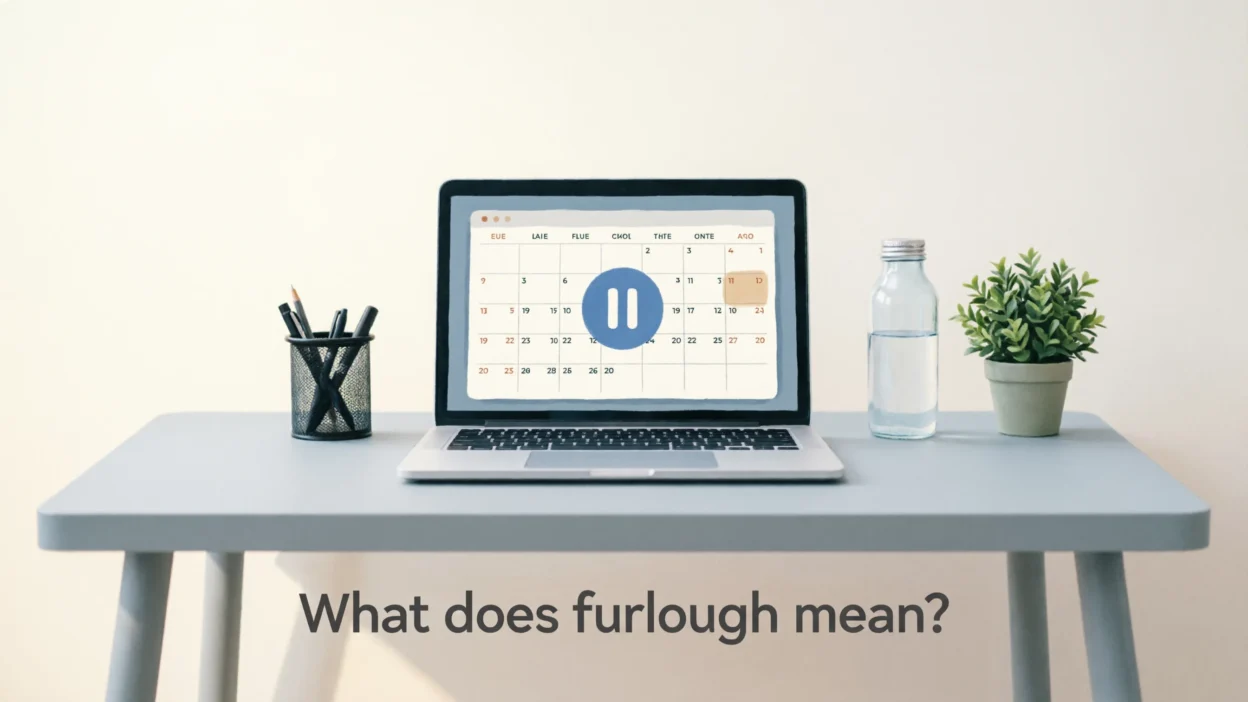
Furlough means a temporary break from work, usually unpaid, where the employee still keeps their job.
What Does Furlough Mean? Plain-English Explanation
The word furlough comes from an old term meaning a leave of absence. Today, it’s mainly used in workplaces.
In simple terms, a furlough is when a company temporarily tells employees not to work, often because of money issues or slow business—but the job is not gone.
Why people use the word furlough
Companies and employees use furlough because:
- It sounds less final than “layoff”
- It suggests the break is temporary
- It keeps benefits or job status in place
- It’s a common HR term
Simple example sentence
“i’m on furlough for two weeks, but i still have my job.”
Bold summary:
Furlough means a temporary, usually unpaid break from work where the employee is expected to return.
Furlough vs Layoff: Why People Get Confused
A big reason people search what does furlough mean is confusion with layoffs.
Here’s the key difference:
- Furlough: temporary pause, job still exists
- Layoff: job is ended, possibly permanently
Online, people often ask this in comments or DMs because the emotional impact feels similar, even if the meaning isn’t.
Where Is “Furlough” Commonly Used Online?
Even though furlough is a formal work term, it shows up a lot in casual digital spaces.
Common places you’ll see it
- workplace group chats
- linkedin posts
- twitter/x threads
- reddit job forums
- slack messages
- news comments
Tone of the term
The tone depends on context:
- Formal: company announcements
- Neutral: news articles and discussions
- Casual: texting coworkers or posting online
So while it’s not slang, it’s part of everyday online work talk.
Furlough in Texting and Online Chat Meaning
In texting culture, furlough is often used quickly, without explanation. People assume others know what it means—or are also confused.
It’s usually mentioned alongside:
- pay concerns
- job security
- schedules
- company updates
That’s why it spreads fast in chats and forums.
Realistic Conversation Examples (Lowercase, Modern Style)
Here are realistic examples showing how furlough appears in everyday online chats:
- “they just announced furloughs starting monday”
- “i’m furloughed but technically still employed”
- “is furlough the same as being fired?”
- “half the team is on furlough right now”
- “furlough means no work, no pay for now”
- “my benefits stayed during furlough thankfully”
- “anyone else dealing with furlough stress?”
- “they said we’ll be back after the furlough period”
These reflect real questions and emotions you see in texting culture.
When to Use and When Not to Use the Term
Using furlough in the right situation helps avoid panic and misunderstandings.
Do use furlough when
- Talking about temporary work pauses
- Referring to official company decisions
- Discussing employment status clearly
- Sharing workplace updates
Don’t use furlough when
- Talking about permanent job loss
- Referring to vacations or time off
- Joking casually without context
- Describing quitting or resigning
Quick comparison table
| context | example phrase | why it works / doesn’t |
|---|---|---|
| work chat | “i’m on furlough this month” | works, accurate |
| news post | “company announces furloughs” | works, correct |
| vacation | “i’m furloughed in hawaii” | doesn’t work |
| firing | “they furloughed me forever” | doesn’t work |
Similar Terms and Alternatives to Furlough
People sometimes use other words instead of furlough, depending on tone and situation.
| term | meaning | when to use it |
|---|---|---|
| temporary leave | short break from work | neutral |
| unpaid leave | no pay during time off | formal |
| reduced hours | working less | casual |
| layoff | job ended | formal |
| pause in work | informal wording | casual chat |
Each term means something slightly different, so word choice matters.
Common Misunderstandings About Furlough
“furlough means you’re fired”
Not true. A furlough is temporary.
“you can’t keep benefits on furlough”
Sometimes benefits stay active, depending on the employer.
“furlough only happens in big companies”
Small businesses use furloughs too.
These misunderstandings are why the term keeps trending online.
Frequently Asked Questions About Furlough
What does furlough mean in simple words?
It means a temporary break from work, usually without pay.
Is furlough paid or unpaid?
Most furloughs are unpaid, but it depends on the company.
Is furlough better than a layoff?
Often yes, because the job is expected to return.
Can furlough be used in texting?
Yes. It’s common in work chats and online discussions.
Who usually talks about furlough online?
Employees, managers, job seekers, and people following business news.
Is furlough a formal term?
Yes, but it’s widely used in casual online communication too.
Why Furlough Became a Common Online Term
Furlough became popular online because:
- work updates spread fast digitally
- people share job news instantly
- economic changes affect many workers
- social media makes workplace talk public
That’s why what does furlough mean keeps showing up in searches and conversations.
Final Thought
So, what does furlough mean in today’s digital world? It means a temporary pause from work where the job still exists, even if the pay doesn’t.
While the word sounds formal, it’s now part of everyday texting, online chats, and social media discussions about work.
Understanding it helps you stay informed, calm, and clear when workplace news starts spreading online.

Bret Lee writes educational and research-based content for Whygenix.com, focused on clarity, accuracy, and explaining why concepts matter through simple, engaging, reader-friendly writing.