The first time I heard the word HVAC, it wasn’t in a classroom or a technical manual. It popped up in a group chat when a friend said, “the hvac is acting up again 😩.”
I remember staring at the message, wondering if it was some kind of slang or tech term I’d missed. A quick search later, I realized it’s one of those everyday terms we hear all the time but don’t always fully understand.
If you’ve seen HVAC in texts, social media posts, home repair ads, or online chats and thought, wait… what does that actually stand for?—you’re definitely not alone.
Quick Answer
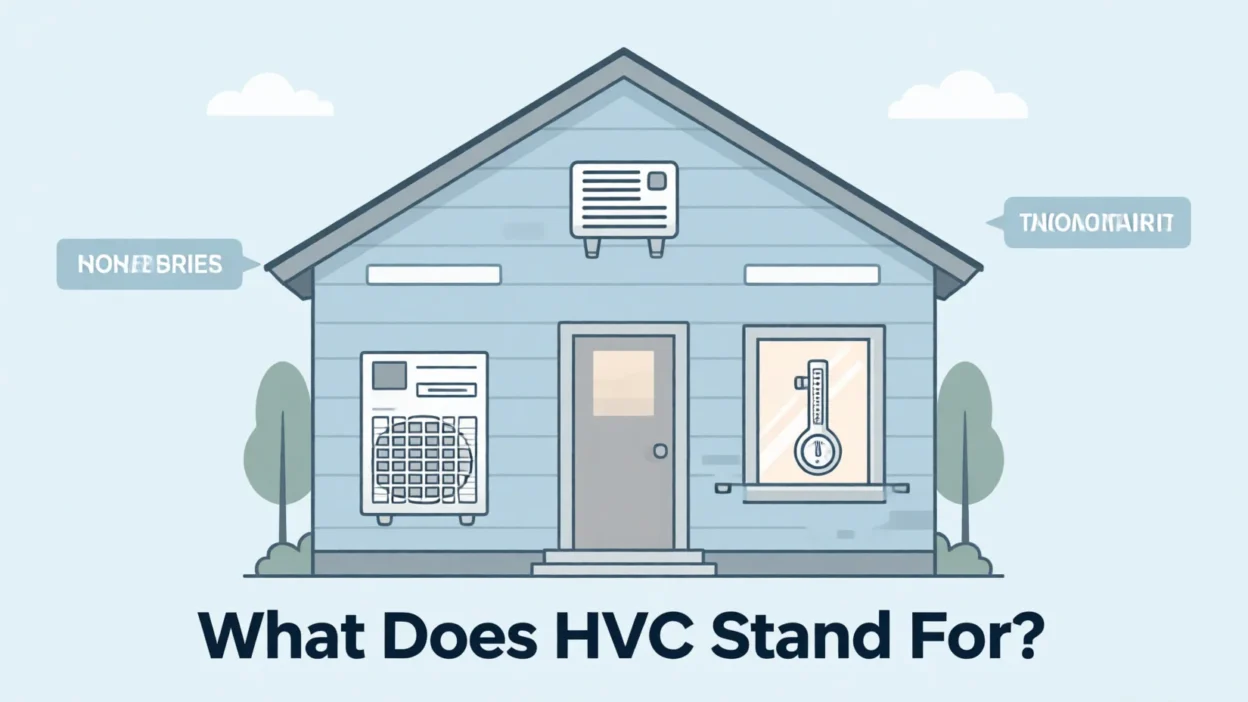
HVAC stands for Heating, Ventilation, and Air Conditioning, which refers to systems that control indoor temperature, airflow, and air quality.
What Does HVAC Stand For?
Full Form of HVAC
HVAC = Heating, Ventilation, and Air Conditioning
Plain-English Explanation
HVAC is a short way to talk about the systems that keep buildings comfortable. These systems heat your home when it’s cold, cool it when it’s hot, and move fresh air around so it doesn’t feel stuffy.
In simple terms, HVAC helps control:
- temperature
- airflow
- indoor comfort
You’ll find HVAC systems in homes, offices, schools, malls, and even cars.
Why People Use the Term HVAC
People use HVAC because it’s faster and easier than saying the full phrase every time. It’s common in everyday talk, online discussions, home improvement posts, and service ads.
Short Example Sentence
Bold summary: HVAC stands for Heating, Ventilation, and Air Conditioning, the systems that keep indoor spaces comfortable and breathable.
Where Is the Term HVAC Commonly Used?
Even though HVAC is a technical term, it shows up in many casual and online spaces.
Common Places You’ll See HVAC
- text messages
- social media posts
- home repair forums
- online reviews
- real estate listings
- youtube comments
- group chats
Tone of the Term
The tone of HVAC is usually:
- neutral
- informational
- sometimes casual in chats
It can be both professional (in work settings) and relaxed (in everyday conversation).
HVAC in Everyday Life (Plain Explanation)
Most people don’t think about HVAC until something goes wrong. But it’s working quietly every day.
- Heating keeps you warm in winter
- Ventilation moves fresh air in and stale air out
- Air conditioning cools you down in summer
Together, these systems help your home feel safe, clean, and comfortable.
Realistic Conversation Examples Using HVAC
Here are natural, modern examples of how people use HVAC in real chats. All are written in lowercase to match texting style.
- “our hvac is making weird noises again”
- “landlord said the hvac repair guy is coming tomorrow”
- “new apartment has updated hvac, thank god”
- “the hvac barely works in this heat”
- “we need to service the hvac before winter hits”
- “anyone know a good hvac company nearby?”
- “office hvac is freezing everyone”
- “my dad works in hvac, he fixes systems all day”
These examples show how normal and common the term is in daily talk.
When to Use and When Not to Use HVAC
✅ When to Use HVAC
- talking about home comfort
- discussing heating or cooling problems
- chatting about repairs or maintenance
- reading or writing about real estate
- casual conversations about buildings
❌ When Not to Use HVAC
- when the audience doesn’t know basic home terms
- in very casual slang-only chats where context is unclear
- instead of simpler words like “heater” or “ac” if clarity matters
Comparison Table
| Context | Example Phrase | Why It Works or Doesn’t |
|---|---|---|
| home chat | “the hvac needs repair” | clear |
| real estate | “new hvac system installed” | professional |
| casual text | “heater’s broken” | simpler |
| slang convo | “hvac vibes lol” | confusing |
Is HVAC Slang?
No, HVAC is not slang.
It’s an official abbreviation used in:
- construction
- engineering
- home services
- everyday conversation
However, it feels casual because people use it so often.
Similar Terms and Alternatives to HVAC
Here are related words people often use instead of, or alongside, HVAC.
| Term | What It Means | When to Use |
|---|---|---|
| ac | air conditioning | casual talk |
| heater | heating system | simple language |
| furnace | heating unit | technical |
| ventilation system | airflow system | formal |
| climate control | temp management | general |
| cooling system | keeps spaces cool | informal |
Each term focuses on one part of HVAC rather than the full system.
HVAC in Texting and Online Culture
In texting culture, HVAC usually appears when:
- someone’s uncomfortable
- something breaks
- weather is extreme
You’ll often see it paired with complaints, jokes, or quick updates.
Example:
HVAC Jobs and Online Discussions
You’ll also see HVAC talked about online when people discuss:
- trade jobs
- certifications
- salaries
- career paths
HVAC work is often praised online for being hands-on and in demand.
FAQ: Common Questions About HVAC
1. What does hvac stand for exactly?
It stands for Heating, Ventilation, and Air Conditioning.
2. Is hvac a technical term?
Yes, but it’s also commonly used in everyday conversation.
3. Do people use hvac in texting?
Yes, especially when talking about home issues or repairs.
4. Is hvac formal or informal?
It’s neutral—it works in both casual and professional settings.
5. Does hvac include air conditioning?
Yes, air conditioning is one part of HVAC.
6. Is hvac used worldwide?
Yes, though systems may differ by country.
7. Can hvac refer to a job?
Yes, people often say “hvac tech” or “hvac work.”
Why HVAC Is So Important Today
Modern life depends heavily on HVAC systems. They help with:
- comfort
- health
- air quality
- energy efficiency
In extreme weather, HVAC isn’t just convenient—it’s essential.
Final Thought
So, what does hvac stand for? It means Heating, Ventilation, and Air Conditioning, the systems that keep indoor spaces comfortable, safe, and breathable.
Even though it sounds technical, HVAC is part of everyday life and shows up often in texts, social media, and online chats. Once you know what it means, you’ll start noticing how often it comes up—and how important it really is.

Joy Root is a content writer at Whygenix.com, creating clear, engaging articles that explain complex ideas simply, helping readers understand why topics matter in everyday life and personal growth.