The first time I really noticed the word protein, it wasn’t in a science book. It popped up in a group chat when a friend said, “i need more protein, my workouts feel weak.”
Then I started seeing it everywhere—on food labels, Instagram fitness posts, diet videos, and even memes. Everyone talked about protein like it was magic, but no one explained it in simple words.
If you’ve ever heard people say “eat more protein” and wondered why, you’re not alone. Let’s break it down in the easiest, most human way possible so it finally makes sense.
Quick Answer
Protein helps your body build, repair, and maintain muscles, tissues, and cells so you can grow, heal, and stay strong.
What Does Protein Do?
Is There a Full Form of Protein?
Protein does not have a full form. It’s a real biological word, not an abbreviation.
Plain-English Explanation
Protein is one of the main nutrients your body needs to work properly. Think of protein as building blocks. Your body uses it to build muscles, fix damaged cells, grow hair and nails, and even make enzymes and hormones.
Every time you move, exercise, grow, or heal, protein is doing work behind the scenes.
Why People Talk About Protein So Much
People talk about protein because it:
- helps build muscle
- keeps you full longer
- supports growth in kids and teens
- helps the body heal after injury
- supports overall strength and energy
Short Example Sentence
“i’m adding more protein to my meals so i don’t feel tired.”
Bold summary: Protein helps your body grow, repair itself, and stay strong every day.
What Does Protein Do in the Body?
Protein has many important jobs. Here are the big ones explained simply.
1. Builds and Repairs Muscles
When you exercise or move a lot, tiny muscle fibers break. Protein helps repair and rebuild them so they come back stronger.
2. Helps You Grow
Kids, teens, and even adults need protein to grow and maintain body tissues.
3. Supports Skin, Hair, and Nails
Hair and nails are mostly made of protein. Low protein can lead to weak nails or hair problems.
4. Helps You Feel Full
Protein digests slowly, so it keeps you full longer than sugar or carbs.
5. Supports the Immune System
Your body uses protein to make antibodies that fight sickness.
Where Is the Term Protein Commonly Used?
The word protein shows up everywhere, both online and offline.
Common Places You’ll See or Hear Protein
- texting with friends
- social media posts
- fitness videos
- gym conversations
- diet and food labels
- comments and DMs
- school lessons
- health forums
Tone of the Word
The tone of protein is:
- neutral
- sometimes informal in chats
- formal in health or medical settings
It fits easily into everyday conversations.
Realistic Conversation Examples Using Protein
Here are natural, modern chat-style examples written in lowercase, just like real online messages.
- “i’m trying to eat more protein lately”
- “that meal has like zero protein lol”
- “protein keeps me full way longer”
- “do you track your protein intake?”
- “i need protein after leg day”
- “is plant protein enough?”
- “too much protein makes me feel heavy”
- “my doctor said i need more protein”
- “protein shakes are so convenient”
These show how common and casual the word is in texting culture.
When to Use and When Not to Use the Term Protein
✅ When to Use Protein
- talking about food or diet
- discussing fitness or workouts
- health-related conversations
- school or learning topics
❌ When Not to Use Protein
- joking contexts where it doesn’t fit
- unrelated conversations
- when talking to someone confused by nutrition terms
Comparison Table
| Context | Example Phrase | Why It Works or Doesn’t |
|---|---|---|
| fitness chat | “i need more protein” | clear |
| food talk | “this has protein” | helpful |
| random joke | “that’s protein energy” | confusing |
| medical visit | “low protein intake” | correct |
Protein vs Other Nutrients
Protein is important, but it’s not alone.
| Nutrient | What It Does | When It’s Important |
|---|---|---|
| protein | builds and repairs | daily |
| carbs | quick energy | activity |
| fats | long energy | balance |
| vitamins | support functions | health |
| minerals | bones and nerves | growth |
Protein works best when balanced with other nutrients.
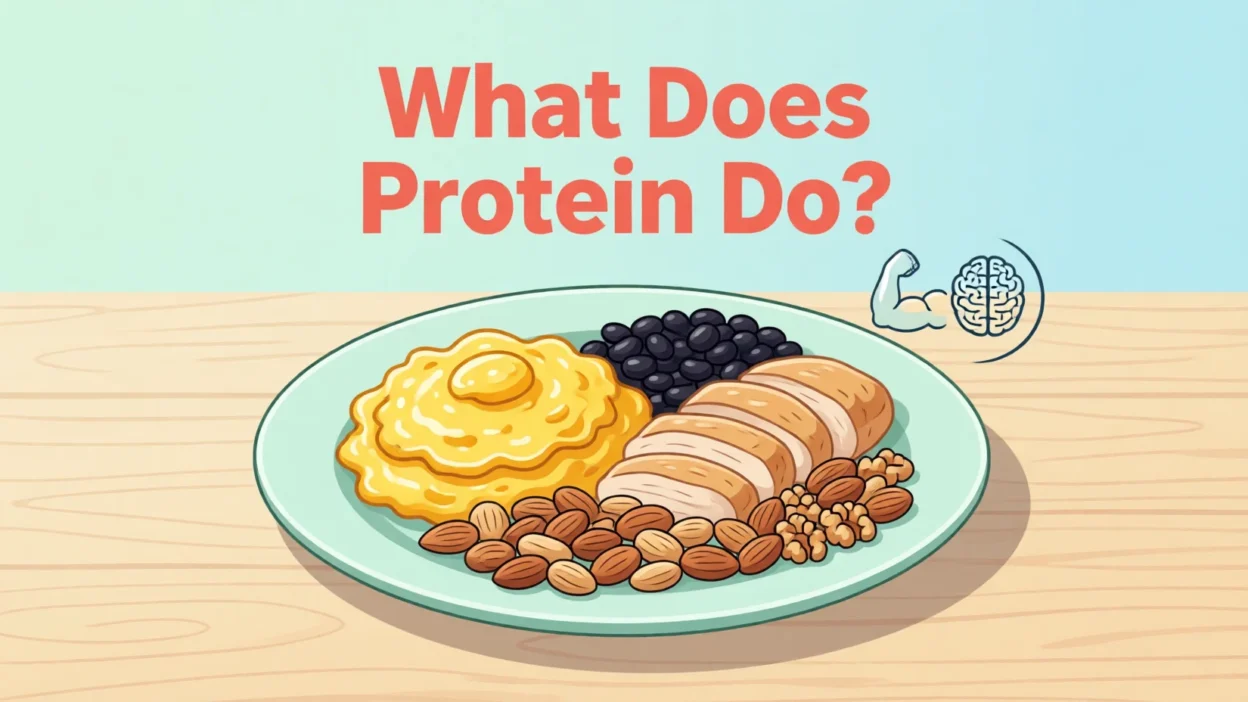
Common Protein Sources
Protein comes from many foods.
Animal Sources
- eggs
- chicken
- fish
- milk
- yogurt
Plant Sources
- beans
- lentils
- nuts
- seeds
- tofu
Both types can be healthy.
Is Protein Slang or a Texting Term?
No, protein is not slang.
It’s a real nutrition term that’s become super common in online chat because people talk about health, fitness, and food more than ever.
Similar Words and Alternatives to Protein
Depending on the situation, people might use different terms.
| Word | Meaning | When to Use |
|---|---|---|
| nutrients | body fuel | general health |
| amino acids | protein parts | science |
| muscle fuel | informal meaning | fitness chats |
| macros | diet tracking | gym culture |
| protein intake | amount eaten | health talk |
In casual chats, people usually just say protein.
Common Misunderstandings About Protein
Some people think:
- protein is only for bodybuilders
- more protein is always better
- protein only comes from meat
In reality:
- everyone needs protein
- balance matters
- plant protein counts too
Why Protein Matters in Daily Life
Understanding what does protein do helps you:
- make better food choices
- stay strong and active
- recover faster
- feel full and energized
Protein isn’t about trends. It’s about basic health.
FAQ: Common Questions About Protein
1. What does protein do in simple words?
It helps your body grow, repair, and stay strong.
2. Is protein only for athletes?
No, everyone needs protein, not just athletes.
3. Can you eat too much protein?
Yes, too much can stress the body if not balanced.
4. Is plant protein as good as animal protein?
Yes, when eaten in variety and balance.
5. Do kids need protein?
Yes, protein supports growth and development.
6. Does protein help with weight loss?
It can help you feel full and support muscle.
7. Is protein used in online fitness culture?
Yes, it’s very common in social media and chats.
Final Thought
So, what does protein do? It helps your body build muscle, repair damage, stay full, and function properly every single day.
While it’s often hyped online, protein isn’t a trend—it’s a basic need. Understanding how it works makes it easier to eat smarter, feel better, and take care of your body in a simple, realistic way.

Bret Lee writes educational and research-based content for Whygenix.com, focused on clarity, accuracy, and explaining why concepts matter through simple, engaging, reader-friendly writing.