The first time many people hear the phrase “executive branch” is in a school lesson, a civics video, or a random comment during election season.
Maybe someone dropped it in a group chat like, “that’s the executive branch’s job,” and everyone reacted with confused emojis.
You’ve probably seen it mentioned in news posts, memes, or online debates, but the meaning still feels fuzzy. Is it about the president? Is it about laws? Or is it just another complicated government term?
If you’ve ever stopped scrolling to ask what does the executive branch do, this guide is for you.
Quick Answer:
The executive branch enforces laws and runs the daily operations of the government.
What Does the Executive Branch Do? (Meaning Explained Simply)
Full form
The executive branch is one of the three main branches of government. It doesn’t stand for initials—it refers to the branch that executes, or carries out, the law.
Plain-English explanation
In simple terms, the executive branch puts laws into action. While the legislative branch makes laws, the executive branch makes sure those laws are followed.
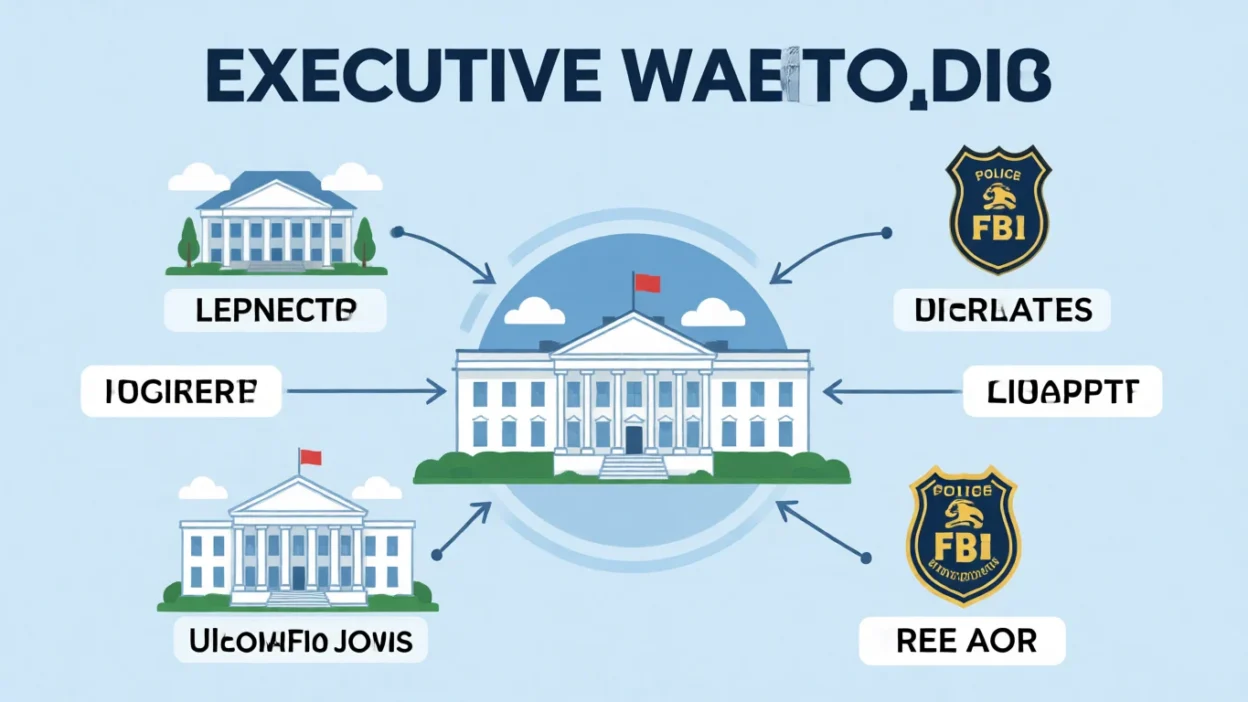
In the United States, the executive branch includes:
- the President
- the Vice President
- the Cabinet
- many government departments and agencies
This branch manages things like national defense, foreign relations, and how federal programs work day to day.
Why people use this term
People ask what does the executive branch do for school, exams, and online discussions—especially during elections or major political events.
Example sentence
“The executive branch enforces the laws passed by Congress.”
Bold summary:
The executive branch carries out laws and manages the government’s daily work.
What the Executive Branch Is Responsible For
To make it even clearer, here are some of the main things the executive branch does:
- enforces laws passed by the legislative branch
- leads the country, mainly through the president
- manages federal agencies like education, defense, and health
- handles foreign policy and talks with other countries
- acts in emergencies, such as natural disasters
Think of it as the branch that turns written laws into real actions.
Where Is the Term Commonly Used?
You’ll usually see or hear “executive branch” in places focused on learning or discussion, such as:
- school and college classes
- homework help websites
- social media explainers
- news comment sections
- online forums and reddit
- group chats during exams
Tone of usage
The tone is usually neutral to formal.
On social media or in texting culture, it’s often explained in a more casual and friendly way.
It’s not slang or chat shorthand, but people still talk about it informally when learning or debating.
Realistic Conversation Examples (Modern Texting Style)
Here are some natural, lowercase examples you might see online:
- “can someone explain what does the executive branch do?”
- “the executive branch enforces laws, right?”
- “i always mix up executive and legislative 😭”
- “our civics test is all about the executive branch.”
- “the president is part of the executive branch.”
- “this post finally made the executive branch make sense.”
- “executive branch = running the country day to day.”
- “why does the executive branch have so much power?”
- “learning this way is easier than textbooks tbh.”
When to Use and When Not to Use the Term
✅ When to use “executive branch”
- when talking about government or civics
- in schoolwork and exams
- during political discussions
- when explaining how laws are enforced
❌ When not to use it
- in casual chats unrelated to politics
- as a joke without context
- instead of simpler terms like government leaders when clarity matters
Quick comparison table
| Context | Example phrase | Why it works or doesn’t |
|---|---|---|
| school answer | “the executive branch enforces laws” | accurate and clear |
| explainer post | “here’s what the executive branch does” | helpful |
| random chat | “he’s the executive branch of our group” | confusing |
| debate | “the executive branch checks laws” | fits discussion |
Similar Terms or Alternatives You Might See
People often use simpler or related terms online when talking about the executive branch:
| Term | Meaning | When to use it |
|---|---|---|
| president | head of the executive branch | u.s. politics |
| administration | president and their team | news and media |
| government leaders | general term | casual explanation |
| federal agencies | departments under executive branch | education |
| law enforcement | enforcing laws | simplified meaning |
| executive power | authority of this branch | debates |
These alternatives help explain what does the executive branch do without sounding too technical.
FAQs About the Executive Branch
1. What does the executive branch do in simple words?
It carries out laws and manages the government’s daily work.
2. Who is part of the executive branch?
The president, vice president, cabinet members, and federal agencies.
3. Is the executive branch the same as the legislative branch?
No. The legislative branch makes laws, while the executive branch enforces them.
4. Why is the executive branch important?
It makes sure laws actually work in real life.
5. Is this term used in texting or slang?
Not as slang, but it’s discussed casually in chats and posts.
6. What age group usually talks about this?
Mostly students, teachers, and adults following politics.
7. Can the executive branch make laws?
No. It can suggest laws, but only the legislative branch can pass them.
Final Thought
So, what does the executive branch do? It takes the laws written on paper and turns them into action.
While the term sounds formal, it shows up often in social media posts, group chats, and online learning spaces—especially during elections and exams.
Understanding the executive branch makes government feel less confusing and helps you follow news and discussions with confidence.

Joy Root is a content writer at Whygenix.com, creating clear, engaging articles that explain complex ideas simply, helping readers understand why topics matter in everyday life and personal growth.