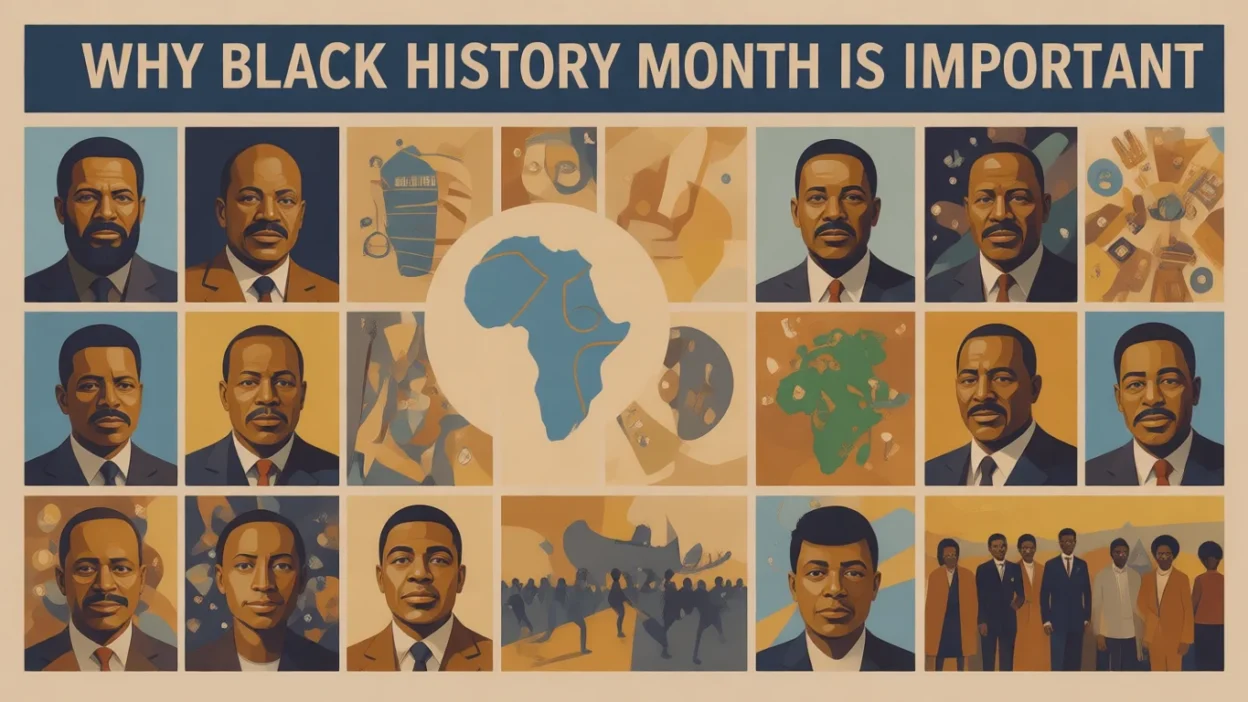
Black History Month is a time dedicated to recognizing, honoring, and reflecting on the contributions, struggles, achievements, and resilience of Black individuals throughout history.
It highlights stories that were often ignored, overlooked, or erased, helping society gain a more complete and truthful understanding of the past. By acknowledging these narratives, Black History Month promotes awareness, education, and respect.
Beyond remembering history, Black History Month encourages conversations about equality, justice, and inclusion in the present. It reminds us that history shapes modern society and that understanding it is essential for progress.
Through education, celebration, and reflection, Black History Month empowers communities, strengthens identity, and fosters unity. Below are 25 meaningful reasons why Black History Month is important and why it continues to matter today.
Recognizes Overlooked Contributions
Black History Month highlights achievements that traditional history books often ignored. It ensures inventors, leaders, artists, and activists receive rightful recognition.
Preserves Cultural Heritage
It helps preserve Black culture, traditions, and values. Celebrating heritage strengthens identity and pride across generations.
Promotes Historical Accuracy
Black History Month corrects incomplete narratives by including voices that were previously excluded from mainstream history.
Encourages Education and Awareness
It provides opportunities for schools and communities to learn about Black history beyond a single chapter or lesson.
Honors Resilience and Strength
The month acknowledges the resilience of Black communities who overcame slavery, segregation, and systemic injustice.
Supports Racial Understanding
Learning about Black history promotes empathy and understanding between different racial and cultural groups.
Highlights Civil Rights Progress
Black History Month honors leaders and movements that fought for equality, justice, and civil rights for all.
Inspires Future Generations
Stories of Black achievement motivate young people to believe in their potential and pursue excellence.
Celebrates Black Excellence
It recognizes success in science, art, sports, education, politics, and business across history and today.
Encourages Social Justice Conversations
The month opens dialogue about discrimination, equity, and fairness, encouraging meaningful societal change.
Strengthens Community Pride
Celebration builds unity, confidence, and collective pride within Black communities worldwide.
Acknowledges Historical Struggles
Recognizing painful experiences honors those who endured injustice and ensures their struggles are never forgotten.
Promotes Inclusive Education
It encourages schools to adopt more inclusive curricula that reflect diverse historical experiences.
Challenges Stereotypes
By sharing accurate stories, Black History Month challenges harmful myths and stereotypes.
Recognizes Global Impact
Black history is not limited to one country. It acknowledges contributions from Black communities around the world.
Honors Cultural Influence
Music, art, fashion, language, and literature influenced by Black culture are celebrated and appreciated.
Encourages Reflection and Growth
The month invites society to reflect on past mistakes and work toward a more just future.
Supports Representation
Representation in history helps people feel seen, valued, and included in national narratives.
Strengthens National Identity
A complete history strengthens national identity by acknowledging all contributors.
Empowers Black Voices
It creates space for Black voices to share stories, experiences, and perspectives.
Promotes Equality and Inclusion
Recognizing history supports equal opportunity and respect in modern society.
Educates Beyond the Classroom
Events, discussions, and media outreach extend learning beyond schools into communities.
Honors Unsung Heroes
Black History Month highlights individuals whose contributions were overlooked or undocumented.
Encourages Cultural Appreciation
Learning fosters appreciation rather than appropriation of Black culture.
Reminds Us History Shapes the Present
Understanding the past helps explain current social, political, and economic realities.
Summary Table: Why Black History Month Matters
| Category | Importance | Example |
|---|---|---|
| Education | Expands historical understanding | Inclusive school lessons |
| Culture | Preserves traditions | Celebrating Black art and music |
| Society | Promotes equality | Civil rights discussions |
| Identity | Builds pride | Honoring Black role models |
| Awareness | Challenges bias | Correcting historical narratives |
Idioms Related to History and Recognition
| Idiom | Meaning | Example |
|---|---|---|
| Make history | Do something important | She made history as a leader. |
| Right the wrongs | Correct past injustices | Education helps right the wrongs. |
| A chapter in history | A significant period | Civil rights became a major chapter in history. |
| Leave a legacy | Be remembered | Many leaders left a powerful legacy. |
| Learn from the past | Use history wisely | We must learn from the past to improve society. |
Real-Life Examples of Importance
• Schools hosting Black history programs and discussions
• Museums showcasing Black artists and leaders
• Communities honoring civil rights pioneers
• Media highlighting Black innovators and achievers
• Educational reforms including diverse historical narratives
FAQs
Q1: Why is Black History Month important today?
It ensures history is inclusive, accurate, and reflective of all contributors.
Q2: Is Black History Month only for Black communities?
No. It is for everyone to learn, reflect, and appreciate shared history.
Q3: Why is Black history often overlooked?
Systemic bias and exclusion led to incomplete historical records.
Q4: How does Black History Month promote equality?
By educating people, it challenges bias and supports inclusion.
Q5: Can Black History Month inspire future generations?
Yes. Representation and role models encourage confidence and ambition.
Final Thought
Black History Month is not just about the past; it is about understanding the present and shaping a better future. By recognizing achievements, acknowledging struggles, and honoring resilience, it strengthens education, promotes empathy, and encourages unity.
A society that embraces its full history becomes stronger, fairer, and more inclusive. Black History Month reminds us that every story matters and that progress begins with awareness, respect, and truth.

Bret Lee writes educational and research-based content for Whygenix.com, focused on clarity, accuracy, and explaining why concepts matter through simple, engaging, reader-friendly writing.