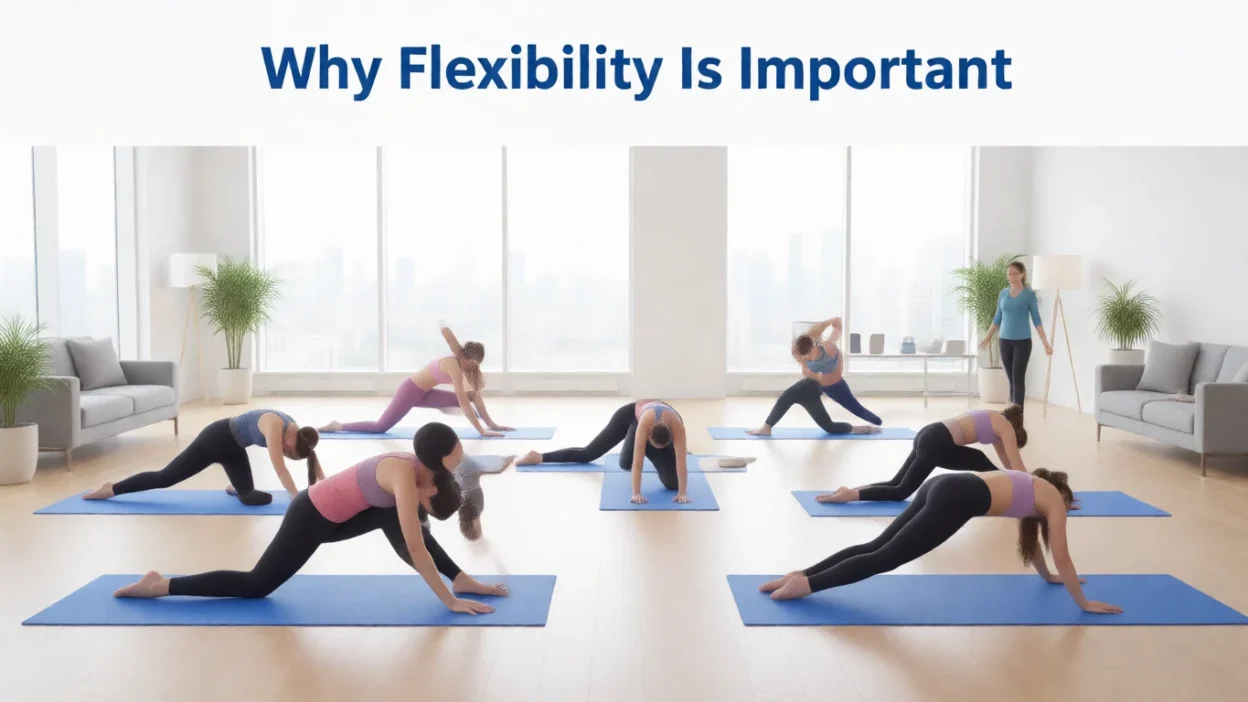
Flexibility is an essential quality that affects both the body and the mind. It refers not only to physical movement and muscle elasticity, but also to mental adaptability and openness to change. In everyday life, flexibility helps people adjust, improve performance, and reduce unnecessary stress.
In a fast-changing world, rigid habits often lead to discomfort, injury, or failure. Flexible individuals and systems perform better because they can adapt, recover, and grow.
Whether related to physical health, work environments, relationships, or problem-solving, flexibility plays a key role in long-term success and well-being. Below are 25 important reasons why flexibility is important in daily life.
Improves Physical Mobility
Flexibility allows joints and muscles to move freely. It reduces stiffness and discomfort during daily activities. Better mobility supports an active lifestyle.
Reduces Risk of Injury
Flexible muscles handle sudden movements better. Stretching improves muscle elasticity and balance. This lowers the chances of strains and injuries.
Enhances Athletic Performance
Athletes rely on flexibility for strength and coordination. It improves range of motion and efficiency. Better performance comes with fewer injuries.
Supports Better Posture
Flexibility helps align muscles and joints properly. It reduces muscle imbalance and tension. Good posture improves comfort and confidence.
Relieves Muscle Tension
Stretching relaxes tight muscles. It reduces pain caused by stress or overuse. Relaxed muscles improve overall comfort.
Improves Blood Circulation
Flexible muscles allow smoother blood flow. Better circulation supports oxygen delivery. This improves energy and recovery.
Supports Joint Health
Flexibility keeps joints lubricated and healthy. It reduces wear and stiffness. Healthy joints improve movement quality.
Enhances Balance and Coordination
Flexible muscles respond better to movement changes. This improves balance and stability. Good coordination reduces falls.
Promotes Faster Recovery
After exercise or physical work, flexibility aids recovery. Muscles relax and heal faster. Recovery prevents long-term strain.
Supports Mental Adaptability
Flexibility is not only physical. Mental flexibility helps people adapt to change. It reduces resistance and stress.
Improves Stress Management
Flexible thinking allows calm responses. It helps manage pressure effectively. Stress becomes easier to handle.
Encourages Open-Mindedness
Flexible people accept new ideas. Open-minded thinking improves learning. It supports personal growth.
Strengthens Problem-Solving Skills
Flexibility allows alternative solutions. It helps people adjust strategies. Problem-solving becomes more effective.
Improves Workplace Performance
Flexible employees adapt to changes easily. They handle new tasks better. This improves productivity and teamwork.
Supports Better Relationships
Flexibility helps understand others’ perspectives. It encourages compromise and patience. Relationships become healthier.
Enhances Creativity
Creative thinking requires flexibility. It allows ideas to flow freely. Innovation grows through adaptable thinking.
Promotes Lifelong Learning
Flexible learners adapt to new knowledge. They stay curious and engaged. Learning continues throughout life.
Reduces Mental Rigidity
Rigid thinking limits growth. Flexibility allows acceptance of change. This improves emotional well-being.
Improves Time Management
Flexible planning helps manage priorities. Adjustments reduce pressure. Time becomes easier to control.
Supports Aging Gracefully
Flexibility maintains mobility as people age. It reduces stiffness and pain. Aging becomes more comfortable.
Improves Sleep Quality
Relaxed muscles improve sleep. Flexibility reduces nighttime discomfort. Better sleep supports health.
Encourages Healthy Habits
Flexible routines are easier to maintain. People adapt habits to lifestyle changes. Consistency improves health.
Supports Rehabilitation
Flexibility is vital in physical therapy. It helps regain movement after injury. Recovery becomes smoother.
Improves Emotional Intelligence
Flexible thinking improves empathy. It helps manage emotions wisely. Emotional intelligence strengthens communication.
Enhances Overall Quality of Life
Flexibility improves comfort, adaptability, and balance. Life becomes easier to manage. Well-being increases overall.
Summary Table: Why Flexibility Matters
| Area | Importance | Example |
|---|---|---|
| Physical Health | Mobility and strength | Stretching routines |
| Mental Health | Adaptability | Stress management |
| Work Life | Productivity | Adjusting tasks |
| Relationships | Understanding | Compromise |
| Aging | Comfort | Joint mobility |
Idioms Related to Flexibility
| Idiom | Meaning | Example |
|---|---|---|
| Go with the flow | Adapt easily | She goes with the flow. |
| Bend but not break | Stay flexible | He bent but did not break. |
| Think on your feet | Adapt quickly | She thought on her feet. |
| Roll with the punches | Handle challenges | He rolled with the punches. |
| Open-minded | Accept ideas | She stayed open-minded. |
Real-Life Examples of Flexibility
• Athletes improving performance
• Employees adapting to new roles
• Older adults maintaining mobility
• Teams adjusting project plans
• Individuals managing life changes
FAQs
Q1: Why is flexibility important for health?
It improves mobility, reduces injury risk, and supports comfort.
Q2: Is flexibility only physical?
No. Mental flexibility is equally important.
Q3: Can flexibility reduce stress?
Yes. Flexible thinking improves stress management.
Q4: How can flexibility be improved?
Through stretching, exercise, and open-minded thinking.
Q5: Does flexibility improve quality of life?
Yes. It supports comfort, balance, and adaptability.
Final Thought
Flexibility is a powerful life skill that supports both physical health and mental strength. It allows people to move freely, think clearly, and adapt confidently to change. In a world where uncertainty is constant, flexibility provides balance and resilience.
By nurturing flexibility in the body and mind, individuals create a healthier, calmer, and more successful life. Embracing flexibility is not about weakness; it is about strength, growth, and long-term well-being.

Bret Lee writes educational and research-based content for Whygenix.com, focused on clarity, accuracy, and explaining why concepts matter through simple, engaging, reader-friendly writing.