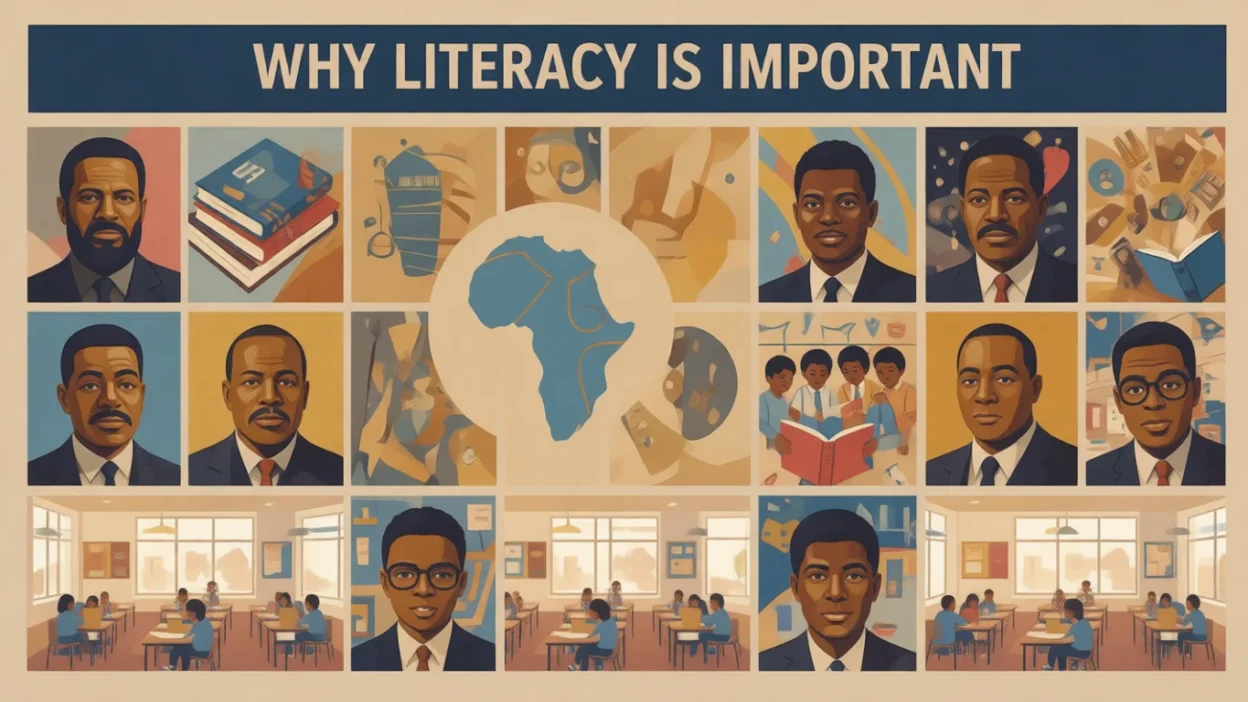
Literacy is the foundation of learning, communication, and personal growth. It goes far beyond the ability to read and write; literacy empowers individuals to understand information, express ideas clearly, and participate fully in society.
In a world driven by knowledge, technology, and communication, literacy is one of the most essential life skills a person can possess.
From early childhood to adulthood, literacy shapes opportunities, confidence, and independence. It influences education, employment, health, and civic participation. Societies with strong literacy levels tend to be more informed, innovative, and equitable.
Below are 25 powerful reasons why literacy is important and why it remains a cornerstone of personal and societal progress.
Improves Communication Skills
Literacy helps people express their thoughts clearly through reading, writing, speaking, and understanding language. Strong communication builds confidence and reduces misunderstandings in daily life.
Supports Academic Success
Students with strong literacy skills perform better across all subjects. Reading comprehension and writing ability are essential for learning mathematics, science, history, and more.
Encourages Critical Thinking
Literacy enables individuals to analyze information, question sources, and evaluate ideas. This skill is vital for making informed decisions and avoiding misinformation.
Expands Knowledge and Awareness
Reading exposes people to new ideas, cultures, and perspectives. Literacy opens doors to lifelong learning and personal enrichment.
Increases Employment Opportunities
Many jobs require reading instructions, writing reports, and understanding information. Literacy improves employability and career advancement.
Supports Economic Growth
A literate population contributes to a skilled workforce. Literacy strengthens productivity, innovation, and national development.
Promotes Independence
Literacy allows individuals to manage daily tasks independently, such as reading signs, filling forms, and following instructions.
Improves Decision-Making
Reading and understanding information helps people make smarter choices about health, finances, and personal goals.
Enhances Confidence and Self-Esteem
Being able to read and write well builds confidence. Literacy empowers people to participate actively in conversations and society.
Supports Digital Literacy
In the modern world, literacy is essential for using technology, navigating the internet, and understanding digital information safely.
Improves Health Awareness
Literacy helps individuals understand medical instructions, health information, and wellness resources, leading to healthier lives.
Encourages Civic Participation
Literate citizens are more likely to vote, understand laws, and engage in community and civic activities.
Reduces Poverty
Education and literacy increase access to better jobs and income, helping individuals and families break the cycle of poverty.
Supports Lifelong Learning
Literacy makes it possible to continue learning throughout life. It encourages curiosity, growth, and adaptability.
Strengthens Social Inclusion
Literacy helps people participate fully in society. It reduces isolation and promotes equality and inclusion.
Improves Parenting and Family Life
Parents with strong literacy skills can better support their children’s education and development.
Encourages Creativity and Imagination
Reading and writing inspire creativity, storytelling, and artistic expression. Literacy nurtures imagination and innovation.
Supports Gender Equality
Literacy empowers women and girls by increasing access to education, employment, and decision-making opportunities.
Improves Problem-Solving Skills
Understanding written information helps individuals analyze situations and find effective solutions.
Preserves Culture and Language
Literacy helps record traditions, history, and languages, ensuring they are passed to future generations.
Enhances Global Understanding
Reading about other cultures and experiences promotes tolerance, empathy, and global awareness.
Supports Legal Awareness
Literacy helps people understand rights, responsibilities, and legal information, protecting them from exploitation.
Encourages Personal Growth
Books and learning inspire reflection, motivation, and self-improvement, contributing to emotional and intellectual growth.
Improves Quality of Life
Literacy enables people to enjoy books, media, and information that enrich daily life and personal fulfillment.
Builds Stronger Communities
Literate communities communicate better, solve problems effectively, and work together toward shared goals.
Summary Table: Why Literacy Matters
| Category | Importance | Example |
|---|---|---|
| Education | Improves learning outcomes | Reading comprehension skills |
| Employment | Expands job opportunities | Writing reports, emails |
| Health | Improves understanding | Reading prescriptions |
| Society | Encourages participation | Voting, civic engagement |
| Personal Growth | Builds confidence | Lifelong learning |
Idioms Related to Learning and Knowledge
| Idiom | Meaning | Example |
|---|---|---|
| Knowledge is power | Learning gives strength | Literacy proves knowledge is power. |
| Turn a new page | Start fresh | Education helped her turn a new page. |
| Learn the ropes | Understand basics | Literacy helps people learn the ropes. |
| Open a new chapter | Begin something new | Reading opened a new chapter in his life. |
| Read between the lines | Understand deeper meaning | Literacy helps read between the lines. |
Real-Life Examples of Literacy Importance
• Adults gaining better jobs through literacy programs
• Parents helping children succeed in school
• Communities accessing health information accurately
• Individuals using digital platforms confidently
• Women gaining independence through education
FAQs
Q1: Why is literacy important in everyday life?
It helps people communicate, make decisions, and function independently.
Q2: How does literacy affect education?
It improves understanding, performance, and academic success.
Q3: Is literacy important for employment?
Yes. Most jobs require reading, writing, and communication skills.
Q4: Can literacy reduce poverty?
Yes. Literacy increases access to education and better-paying jobs.
Q5: Is literacy important in the digital age?
Absolutely. Digital tools require strong reading and comprehension skills.
Final Thought
Literacy is one of the most powerful tools for personal empowerment and social progress. It opens doors to education, employment, and lifelong learning while strengthening confidence and independence.
A literate society is better informed, more inclusive, and more capable of solving problems collectively. By investing in literacy, we invest in opportunity, equality, and a brighter future for individuals and communities alike. Literacy is not just a skill — it is the key to understanding the world and shaping it for the better.

Sara Taylor is a content writer at Whygenix.com, creating clear, engaging articles that simplify complex ideas, helping readers understand the why behind topics in education, lifestyle, and personal development.