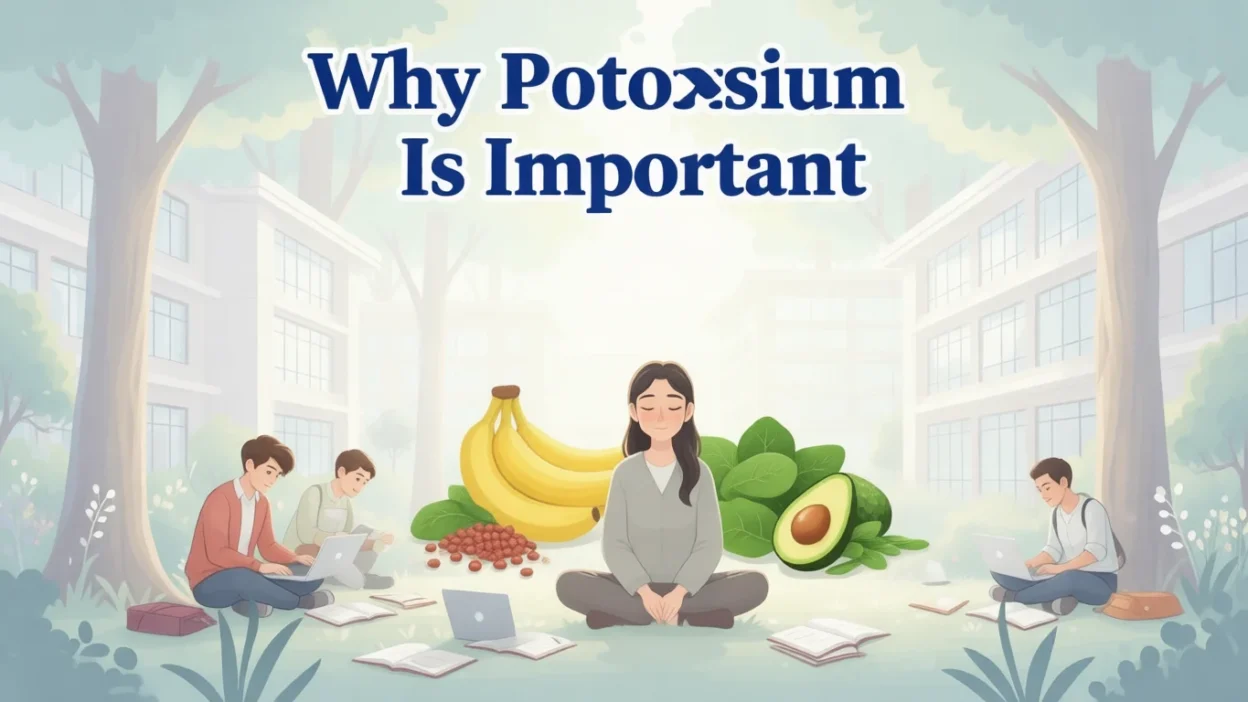
Potassium is a vital mineral that plays a major role in keeping the human body healthy and functioning properly. Although often overlooked, potassium is essential for muscles, nerves, the heart, and fluid balance.
It works closely with sodium to maintain normal blood pressure, support muscle movement, and regulate vital bodily processes.
A proper potassium intake helps prevent health problems such as muscle cramps, fatigue, irregular heartbeat, and high blood pressure. Since the body does not produce potassium on its own, it must be obtained through diet. From fruits and vegetables to whole foods, potassium supports overall well-being and long-term health.
Below are 25 important reasons why potassium is important for the body.
Supports Proper Muscle Function
Potassium helps muscles contract and relax smoothly. Without enough potassium, muscles may feel weak or cramp easily. It is essential for everyday movements and physical activity.
Maintains Healthy Heart Rhythm
The heart relies on potassium to beat regularly. Adequate potassium levels help prevent irregular heartbeats and support cardiovascular stability.
Regulates Fluid Balance
Potassium balances fluids inside and outside cells. This balance keeps cells hydrated and supports normal body functions.
Supports Nerve Function
Potassium helps transmit nerve signals throughout the body. These signals control movement, reflexes, and communication between the brain and muscles.
Helps Control Blood Pressure
Potassium reduces the effects of excess sodium. This helps relax blood vessels and maintain healthy blood pressure levels.
Prevents Muscle Cramps
Low potassium can cause painful muscle cramps. Adequate intake helps muscles function properly and reduces cramping.
Supports Kidney Function
Potassium helps kidneys remove waste from the body. Balanced levels support healthy kidney performance.
Improves Bone Health
Potassium helps reduce calcium loss in urine. This supports stronger bones and reduces the risk of bone weakness.
Supports Energy Production
Potassium plays a role in converting food into energy. This helps maintain stamina and reduce fatigue.
Helps Maintain Acid-Base Balance
Potassium keeps the body’s pH levels balanced. This balance supports healthy metabolism and organ function.
Reduces Risk of Stroke
Adequate potassium intake is linked to lower stroke risk. It supports heart and blood vessel health.
Supports Digestive Health
Potassium helps muscles in the digestive system function smoothly. This supports regular digestion and bowel movement.
Enhances Athletic Performance
Athletes need potassium for endurance and muscle recovery. It helps prevent weakness and dehydration during exercise.
Supports Brain Function
Potassium helps maintain proper brain signaling. This supports focus, memory, and mental clarity.
Prevents Fatigue
Low potassium levels can cause tiredness and weakness. Adequate intake supports sustained energy levels.
Supports Healthy Metabolism
Potassium assists in nutrient transport and enzyme activity. This keeps metabolism functioning efficiently.
Helps Prevent Kidney Stones
Potassium reduces calcium buildup in urine. This lowers the risk of kidney stone formation.
Supports Cell Function
Every cell in the body depends on potassium. It maintains cell structure and internal balance.
Improves Cardiovascular Health
Potassium supports blood vessel flexibility. This improves circulation and heart health.
Supports Healthy Pregnancy
Potassium helps manage fluid balance and muscle function during pregnancy. It supports maternal and fetal health.
Reduces Sodium-Related Health Risks
High sodium intake can harm health. Potassium helps counterbalance sodium effects.
Helps Maintain Electrolyte Balance
Potassium is a key electrolyte. It works with others to maintain hydration and body stability.
Supports Nervous System Health
The nervous system relies on potassium for communication. This supports reflexes and coordination.
Improves Overall Wellness
Adequate potassium intake supports multiple body systems. This contributes to overall health and vitality.
Supports Long-Term Health
Consistent potassium intake reduces risk of chronic conditions. It supports long-term well-being and longevity.
Summary Table: Why Potassium Matters
| Area | Importance | Example |
|---|---|---|
| Muscles | Prevents cramps | Physical activity |
| Heart | Regulates rhythm | Healthy heartbeat |
| Blood Pressure | Balances sodium | Cardiovascular health |
| Nerves | Supports signaling | Reflex control |
| Bones | Reduces calcium loss | Bone strength |
Idioms Related to Health and Balance
| Idiom | Meaning | Example |
|---|---|---|
| In good shape | Healthy condition | Proper nutrition keeps you in good shape. |
| Back on track | Returning to health | Balanced diet puts health back on track. |
| A shot in the arm | Energy boost | Potassium gives muscles a boost. |
| Keep things balanced | Maintain stability | Electrolytes keep balance. |
| Fit as a fiddle | Very healthy | Proper nutrition keeps you fit. |
Real-Life Examples of Potassium Importance
• Athletes avoiding muscle cramps during workouts
• People managing blood pressure through diet
• Patients preventing fatigue and weakness
• Individuals improving heart health
• Balanced diets supporting overall wellness
FAQs
Q1: Why is potassium important for the body?
It supports muscle movement, heart rhythm, nerve signals, and fluid balance.
Q2: What happens if potassium is low?
Low levels can cause cramps, fatigue, and irregular heartbeat.
Q3: Which foods contain potassium?
Fruits, vegetables, legumes, and whole foods are rich sources.
Q4: Does potassium help blood pressure?
Yes. It helps reduce sodium effects and supports healthy pressure levels.
Q5: Is too much potassium harmful?
Yes. Excess potassium can be harmful, especially for people with kidney problems.
Final Thought
Potassium is an essential mineral that quietly supports nearly every major function in the human body.
From keeping the heart beating steadily to helping muscles move and nerves communicate, potassium plays a critical role in daily health and long-term wellness. Maintaining a balanced potassium intake through a healthy diet supports energy, strength, and overall vitality. Giving importance to potassium is a simple yet powerful step toward a healthier and more balanced life.

Joy Root is a content writer at Whygenix.com, creating clear, engaging articles that explain complex ideas simply, helping readers understand why topics matter in everyday life and personal growth.