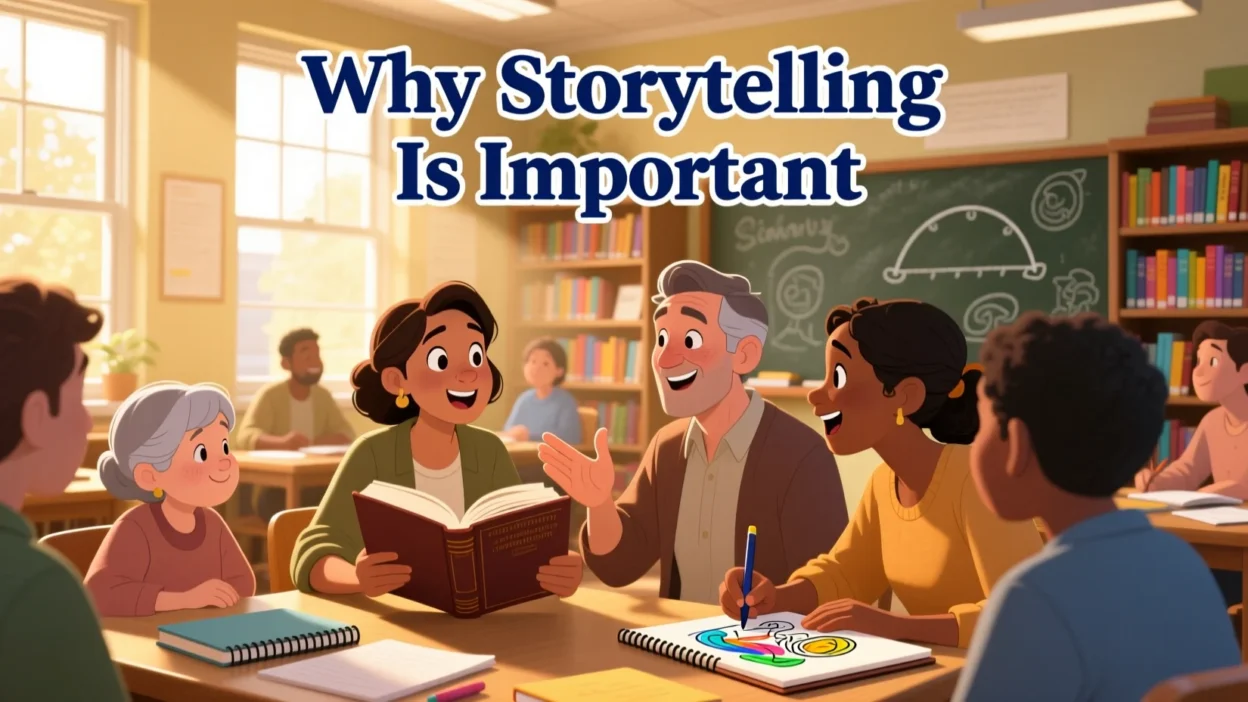
Storytelling is one of the oldest and most powerful tools humans have ever used. Long before books, technology, or formal education, stories were how people shared knowledge, values, culture, and experiences.
From bedtime stories and folklore to movies, novels, marketing campaigns, and speeches, storytelling continues to shape how we understand the world and connect with others.
Stories make information meaningful and memorable. They help us feel emotions, understand perspectives, and remember lessons far better than plain facts.
Whether in education, business, leadership, or personal relationships, storytelling influences how ideas are shared, understood, and trusted. Below are 25 meaningful reasons why storytelling is important in human life and society.
Builds Strong Emotional Connections
Stories create emotional bonds between the storyteller and the audience. They allow people to feel empathy, joy, sadness, and hope together. This emotional connection makes messages more powerful and lasting.
Makes Information Memorable
Facts alone are easy to forget, but stories stay in the mind. When information is wrapped in a story, it becomes easier to understand and remember.
Preserves Culture and Traditions
Storytelling passes cultural values, history, and traditions from one generation to the next. It keeps identities alive and strengthens community bonds.
Improves Communication Skills
Telling stories helps people express ideas clearly and confidently. It improves vocabulary, structure, and the ability to explain complex thoughts.
Encourages Imagination and Creativity
Stories inspire imagination by creating new worlds, characters, and ideas. They encourage creative thinking in both children and adults.
Helps Teach Moral Lessons
Stories often carry lessons about honesty, kindness, courage, and responsibility. These lessons are easier to understand through characters and events.
Strengthens Learning and Education
Teachers use storytelling to make lessons engaging and relatable. Students learn better when concepts are explained through stories.
Builds Empathy and Understanding
Stories allow people to see life from another person’s perspective. This builds compassion, tolerance, and emotional intelligence.
Supports Personal Growth
Sharing personal stories helps people reflect on experiences and learn from them. Listening to others’ stories also offers guidance and inspiration.
Enhances Public Speaking
Storytelling makes speeches engaging and impactful. Audiences connect more with stories than with statistics alone.
Improves Marketing and Branding
Businesses use storytelling to build trust and emotional connections with customers. A strong brand story creates loyalty.
Helps Share Knowledge
Complex ideas become easier to understand when shared through stories. This is useful in training, education, and leadership.
Encourages Social Connection
Storytelling brings people together and creates shared experiences. It strengthens relationships and builds communities.
Develops Language Skills
Listening to and telling stories improves vocabulary, sentence structure, and communication ability.
Inspires Change and Action
Powerful stories motivate people to take action, support causes, and believe in change.
Helps Process Emotions
Stories allow people to express feelings safely. They help individuals understand and manage emotions.
Builds Confidence
Sharing stories publicly boosts self-confidence and self-expression. It helps people feel heard and valued.
Preserves History
Stories document events, struggles, and achievements. They keep history alive beyond written records.
Encourages Critical Thinking
Stories invite audiences to analyze characters, motives, and outcomes. This strengthens thinking and reasoning skills.
Makes Leadership Effective
Leaders use stories to inspire teams and communicate vision. Stories create trust and motivation.
Connects Generations
Storytelling bridges age gaps by allowing older generations to share wisdom with younger ones.
Supports Mental Well-Being
Listening to stories can reduce stress and provide comfort. Stories offer escape and emotional relief.
Strengthens Identity
Personal and cultural stories help people understand who they are and where they come from.
Makes Messages More Persuasive
Stories influence beliefs more effectively than arguments alone. They appeal to both logic and emotion.
Keeps Human Experience Alive
Storytelling captures emotions, struggles, and dreams that define humanity. It keeps human experiences meaningful and shared.
Summary Table: Why Storytelling Matters
| Area | Importance | Example |
|---|---|---|
| Education | Improves learning | Teaching history through stories |
| Culture | Preserves traditions | Folktales and legends |
| Business | Builds trust | Brand storytelling |
| Communication | Enhances clarity | Public speaking |
| Emotions | Builds empathy | Personal life stories |
Idioms Related to Storytelling
| Idiom | Meaning | Example |
|---|---|---|
| Spin a tale | Tell a story | He spun a tale about his journey. |
| Story of my life | Common experience | Always late, story of my life. |
| Paint a picture | Describe vividly | She painted a picture with words. |
| Read between the lines | Understand hidden meaning | The story said more than words. |
| Once upon a time | Beginning of a story | Great stories often start simply. |
Real-Life Examples of Storytelling Importance
• Teachers using stories to explain lessons
• Brands sharing customer success stories
• Leaders motivating teams with personal experiences
• Parents teaching values through bedtime stories
• Social movements spreading awareness through real stories
FAQs
Q1: Why is storytelling important in daily life?
It helps people connect, communicate, and understand each other better.
Q2: How does storytelling help learning?
It makes information engaging, relatable, and easier to remember.
Q3: Is storytelling useful in business?
Yes. It builds trust, brand identity, and emotional connection with customers.
Q4: Does storytelling improve communication skills?
Yes. It strengthens clarity, confidence, and expression.
Q5: Why are stories remembered longer than facts?
Because stories engage emotions and imagination.
Final Thought
Storytelling is more than entertainment — it is a fundamental human skill that shapes communication, learning, culture, and connection. Through stories, we share knowledge, express emotions, preserve history, and inspire change.
In a world full of information, storytelling gives meaning and heart to ideas. Whether spoken, written, or visual, storytelling remains one of the most powerful ways to connect minds and touch lives.

Bret Lee writes educational and research-based content for Whygenix.com, focused on clarity, accuracy, and explaining why concepts matter through simple, engaging, reader-friendly writing.