Have you ever typed “fead” and wondered whether it was a real word or simply a misspelling of “feed”? You’re not alone. Many English learners, students, writers, and even native speakers occasionally confuse these two spellings because they look similar and sound somewhat alike.
Understanding the difference between fead vs feed is important for clear communication. In most situations, only one of these words is considered correct in modern English. This guide explains the meaning, usage, examples, common mistakes, and everything else you need to know to use the right spelling confidently.
Quick Answer
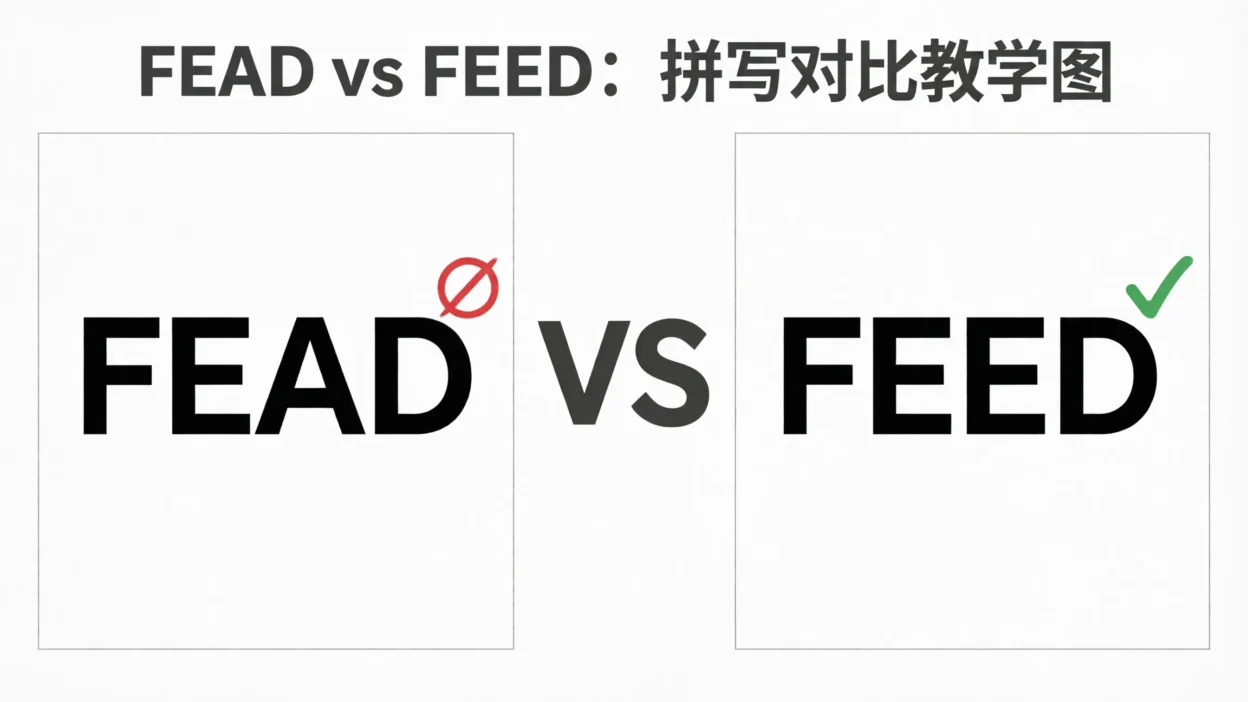
Feed is the correct English word and is widely used in both American and British English.
Fead is generally considered a misspelling of feed and is not recognized as a standard English word in modern dictionaries.
✅ Correct: Please feed the cat before you leave.
❌ Incorrect: Please fead the cat before you leave.
What Does “Feed” Mean?
The word feed is a common English verb and noun with several meanings.
As a verb, feed means:
- To give food to a person or animal
- To supply something needed
- To provide information or material
Examples:
- I need to feed my dog every morning.
- The farmer feeds the chickens twice a day.
- News channels feed information to viewers throughout the day.
As a noun, feed refers to:
- Food for animals
- A stream of content online
Examples:
- The horses need fresh feed.
- My social media feed is full of travel photos.
What Does “Fead” Mean?
In modern English, fead is not recognized as a standard word.
Most often, people write fead when they actually mean feed. It is considered a spelling mistake rather than an alternative form.
Examples:
❌ The birds need more fead.
✅ The birds need more feed.
❌ Don’t forget to fead the fish.
✅ Don’t forget to feed the fish.
If you see fead in writing, it’s usually an error that should be corrected to feed.
Fead vs Feed: Side-by-Side Comparison
| Feature | Fead | Feed |
|---|---|---|
| Standard English Word | No | Yes |
| Found in Modern Dictionaries | No | Yes |
| Common Usage | Misspelling | Very common |
| Part of Speech | None | Verb and Noun |
| Accepted in American English | No | Yes |
| Accepted in British English | No | Yes |
| Recommended Usage | Avoid | Use |
Why Do People Confuse Fead and Feed?
Several factors contribute to this spelling confusion.
Similar Letter Patterns
English contains many words with the ea vowel combination, such as:
- Bread
- Head
- Dead
- Read
Because of these patterns, some writers mistakenly assume fead follows a similar spelling rule.
Typing Errors
Fast typing can easily lead to accidental letter substitutions.
For example:
- feed → fead
This is especially common on mobile devices and touchscreens.
Pronunciation Assumptions
English spelling is not always predictable. Some learners try to spell words based on sound rather than memorized spelling patterns, which can result in errors like fead.
Examples of Correct Usage of Feed
Here are some examples showing how feed is correctly used in everyday English.
Feeding Animals
- Please feed the cat before work.
- She feeds the horses every afternoon.
- We bought extra feed for the cattle.
Providing Information
- The reporter fed updates to the newsroom.
- The database automatically feeds information into the system.
Technology and Social Media
- Check your Instagram feed.
- My news feed updates every few minutes.
- The app displays content in a personalized feed.
Sports and Nature
- Tourists often feed ducks at the lake.
- Rangers advise visitors not to feed wild animals.
Common Mistakes with Fead vs Feed
Mistake #1: Using Fead in Formal Writing
❌ The workers fead the livestock daily.
✅ The workers feed the livestock daily.
Mistake #2: Assuming Fead Is a British Variant
Some people believe fead might be a British spelling.
This is incorrect.
Both American and British English use feed.
Mistake #3: Ignoring Spell Check Warnings
Modern grammar tools and spell checkers usually flag fead as incorrect.
Always review suggested corrections before publishing your work.
American vs British English
Unlike some words that differ between American and British English, feed remains the same in both varieties.
Examples:
| American English | British English |
|---|---|
| feed | feed |
| feeding | feeding |
| fed | fed |
There is no accepted British spelling fead.
Whether you’re writing for readers in the United States, the United Kingdom, Canada, Australia, or elsewhere, feed is the correct choice.
Memory Trick to Remember the Correct Spelling
A simple trick can help you avoid the mistake.
Think about the phrase:
“I need to feed and eat.”
Both words contain ee.
- feed
- eat
This association makes it easier to remember that feed uses ee, not ea.
Another helpful reminder:
Feed has two E’s because everyone eats.
Related Words and Forms of Feed
Learning related forms can strengthen your understanding.
Verb Forms
| Form | Example |
|---|---|
| Feed | I feed the dog. |
| Feeds | She feeds the cat. |
| Feeding | They are feeding the horses. |
| Fed | We fed the birds yesterday. |
Related Terms
- Feeding
- Feedlot
- Feedbag
- Feedstock
- Newsfeed
- Social feed
- Animal feed
These words all come from the standard spelling feed.
When Can Feed Be Used as a Noun?
Many people only think of feed as a verb, but it also functions as a noun.
Examples:
Animal Feed
- The farmer purchased livestock feed.
- Chicken feed is stored in the barn.
Digital Feed
- My Facebook feed shows recent updates.
- The news feed refreshes automatically.
Data Feed
- The website receives a live data feed.
- Stock prices are delivered through a market feed.
SEO and Online Writing: Why Correct Spelling Matters
Using the correct spelling is important for:
- Professional credibility
- Search engine optimization (SEO)
- User trust
- Better readability
Misspellings such as fead can:
- Reduce content quality
- Create confusion
- Affect user experience
- Make writing appear less polished
For bloggers, students, businesses, and content creators, choosing feed helps maintain professionalism.
Frequently Asked Questions
Is fead a real English word?
No. Fead is not recognized as a standard English word in modern dictionaries.
Which is correct: fead or feed?
Feed is correct. Fead is considered a spelling error.
Is fead accepted in British English?
No. British English uses feed, just like American English.
Why do people write fead?
Most cases result from typing mistakes, spelling confusion, or incorrect assumptions about English vowel patterns.
Can feed be both a noun and a verb?
Yes. Feed functions as both a noun and a verb.
Examples:
- Verb: Feed the dog.
- Noun: Buy animal feed.
What is the past tense of feed?
The past tense of feed is fed.
Example:
- Yesterday, I fed the birds.
What is a social media feed?
A social media feed is a continuously updated stream of posts, photos, videos, and other content.
Should I correct fead in my writing?
Yes. In nearly all situations, fead should be corrected to feed.
Summary
When comparing fead vs feed, the answer is straightforward: feed is the correct spelling, while fead is generally a misspelling. The word feed is widely used as both a noun and a verb, referring to giving food, supplying information, animal food, or streams of digital content. It is accepted in both American and British English without variation.
If you’re ever unsure, remember that dictionaries, style guides, grammar tools, and professional writers all use feed. Avoid using fead in formal, academic, business, or online writing. Choosing the correct spelling improves clarity, professionalism, and reader trust.
Actionable Takeaway
Before publishing any document, email, blog post, or social media update, quickly check for the spelling fead. If you find it, replace it with feed. This simple proofreading habit can help you write more accurately and confidently every time.

Bret Lee writes educational and research-based content for Whygenix.com, focused on clarity, accuracy, and explaining why concepts matter through simple, engaging, reader-friendly writing.